Ventilated Aluminum Facades in Barcelona 2025

Feb 16, 2026
3 min read
Aluminum Carpentry
Ventilated Aluminum Facades in Barcelona 2025
Discover the latest 2024–2025 innovations in ventilated aluminum facades: higher-efficiency profiles, insulation solutions to meet energy regulations, and minimalist finishes. We explain what’s changing in the industry, how sustainability is shaping the market, and which options stand out in Barcelona.

Barcelona 2025: why suddenly everyone is talking about ventilated facades

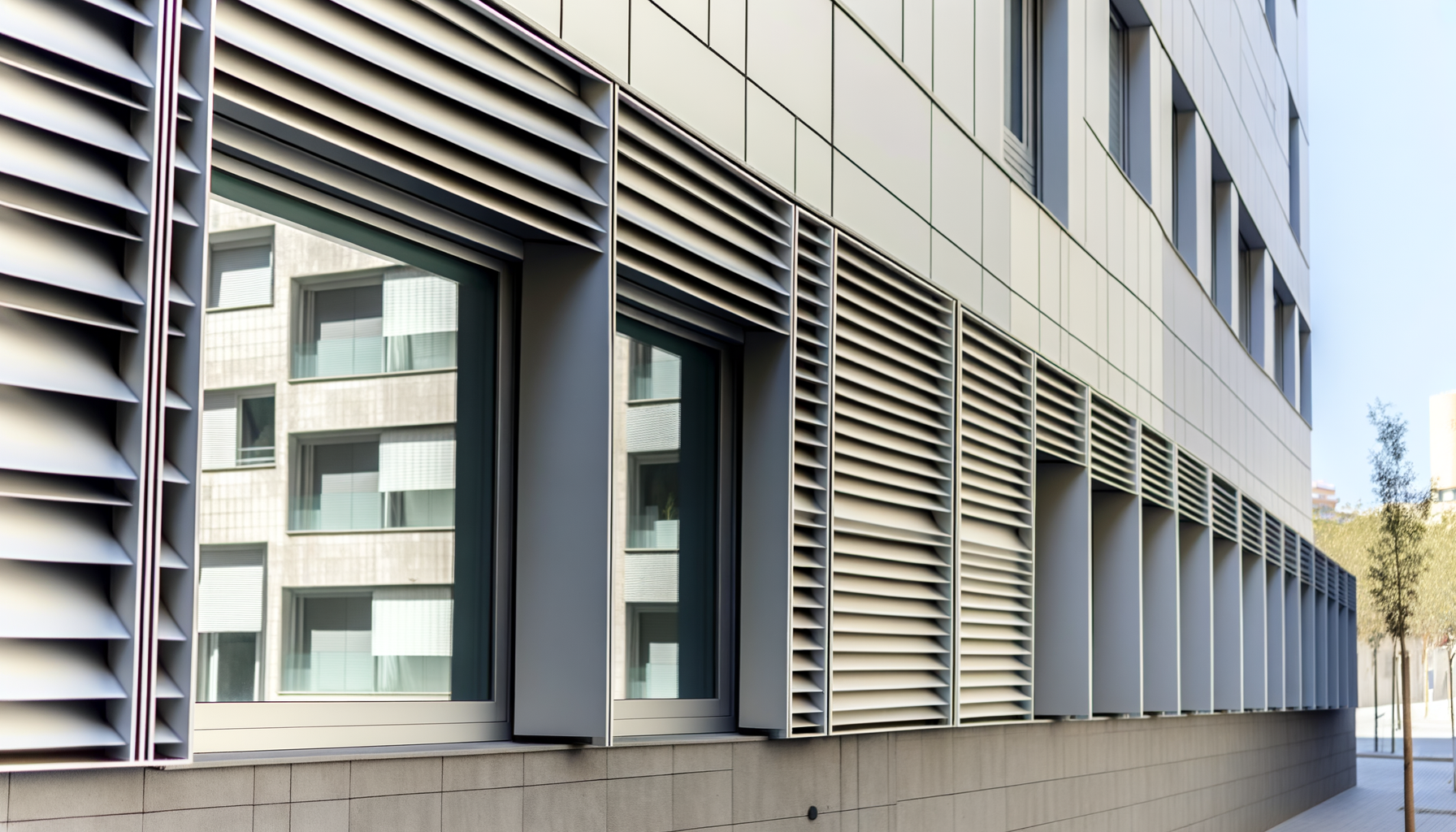
If you’ve been looking at renovations or new developments in Barcelona for a while, it’ll ring a bell: aluminum ventilated facade. And no, it’s not a trend for no reason. In 2025, it’s being installed a lot for a very local reason: longer summers, humidity in areas close to the sea, and buildings that need to get up to date without getting stuck in an endless construction job. The idea is simple: between the wall and the cladding, a “breathing” air cavity is left, and that helps keep the heat from barging into your home. Ever walked into an Eixample flat at 6 p.m. in August? That’s where you feel it.

On real job sites it’s obvious: a south-facing block that used to run the air conditioning flat out, after the change, has less of that hot-wall feeling and, in many cases, consumption drops because the unit works less. Plus, aluminum is a great fit for the city: it holds up well to pollution, to salinity if you’re around Barceloneta or Poblenou, and it cleans up without drama. And if you’re worried about noise, the solution usually comes with insulation, so you notice the improvement too when the bus goes by or there’s street work.
The practical side: what improvements you’ll notice (and which buildings it makes sense for)

The practical side: what improvements you’ll notice (and which buildings it makes sense for)

I’ll tell you the same way I’d tell a friend: if your building has thermal bridges, condensation damp, or walls that feel freezing in winter, a well-designed ventilated facade can really change your day-to-day. The key point is the whole system: substructure, insulation, and the aluminum finish. When it’s properly executed, rainwater doesn’t seep in like it used to, and the interior wall stops “sweating” in cold areas. That happens a lot in Barcelona in older homes where the windows have been replaced but the enclosure is still the one from 60 years ago. Typical result? Moldy corners in the bedroom and that damp “smell” that won’t go away.

Real example: a community in Sant Andreu had facade leaks due to cracks. Instead of constantly patching repairs every other minute, they decided to cover it with a ventilated system; the recurring problem was eliminated and, at the same time, comfort improved. Careful: it’s not “just put up panels and that’s it.” You have to solve the detailing at the top termination, connections with balconies, and anchor points to prevent wind-induced vibrations. And if it’s a building with heritage protection, you’ll need to review regulations and aesthetics, because they won’t always allow just any module layout or color.

What to ask for in 2025 so you don’t mess it up: details that separate a good job from a headache

If you’re considering this in 2025, ask yourself these questions before signing anything: have they calculated loads and anchors for your specific façade? Is there a clear plan for thermal bridges at slab edges and columns? How are they going to treat window openings so you don’t end up with a “cold frame” all around? These are the details that later show up in your bills and in your comfort. In Barcelona, on top of that, wind in certain streets and exposure to sea salt near the coastline make it essential to choose the right type of aluminum and finishes; not everything ages the same.

Also think about day-to-day use: do you have awnings, AC units on the façade, downpipes, or light fixtures? It all needs to be integrated so you don’t end up with a beautiful façade that’s full of patch-ups. A very common case: installing the ventilated façade and forgetting to plan for access panels for maintenance; then, if a downpipe needs checking, you have to dismantle more than necessary. My practical advice: ask for section details (drawings) of the edge terminations and a realistic phased construction schedule, especially if it’s a homeowners’ association. That way you avoid typical surprises like noise at the wrong times, scaffolding staying up for more weeks than promised, and neighbors who are rightly annoyed.

Need professional advice?

Our team of experts is ready to help you with your aluminum carpentry project.