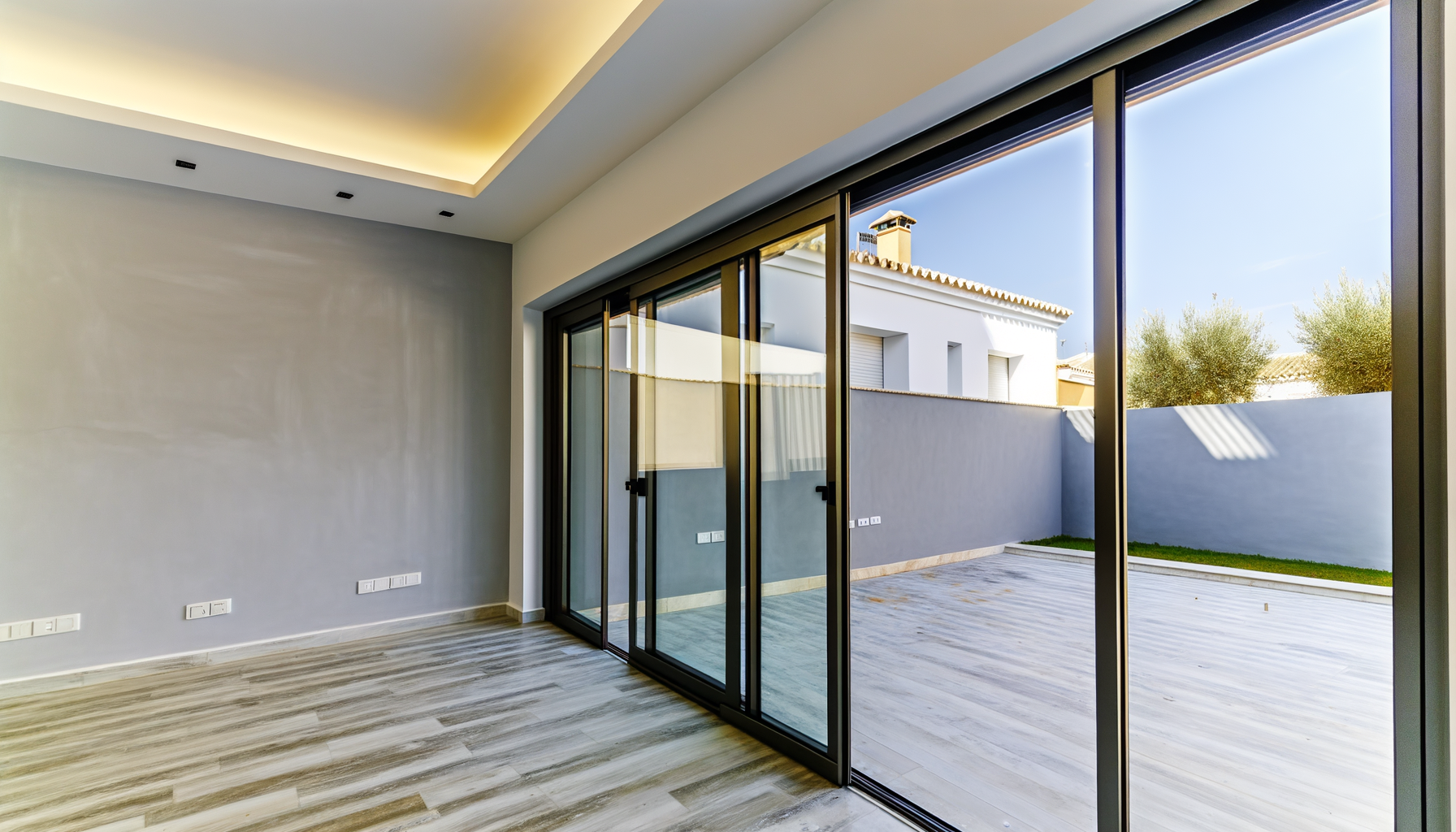
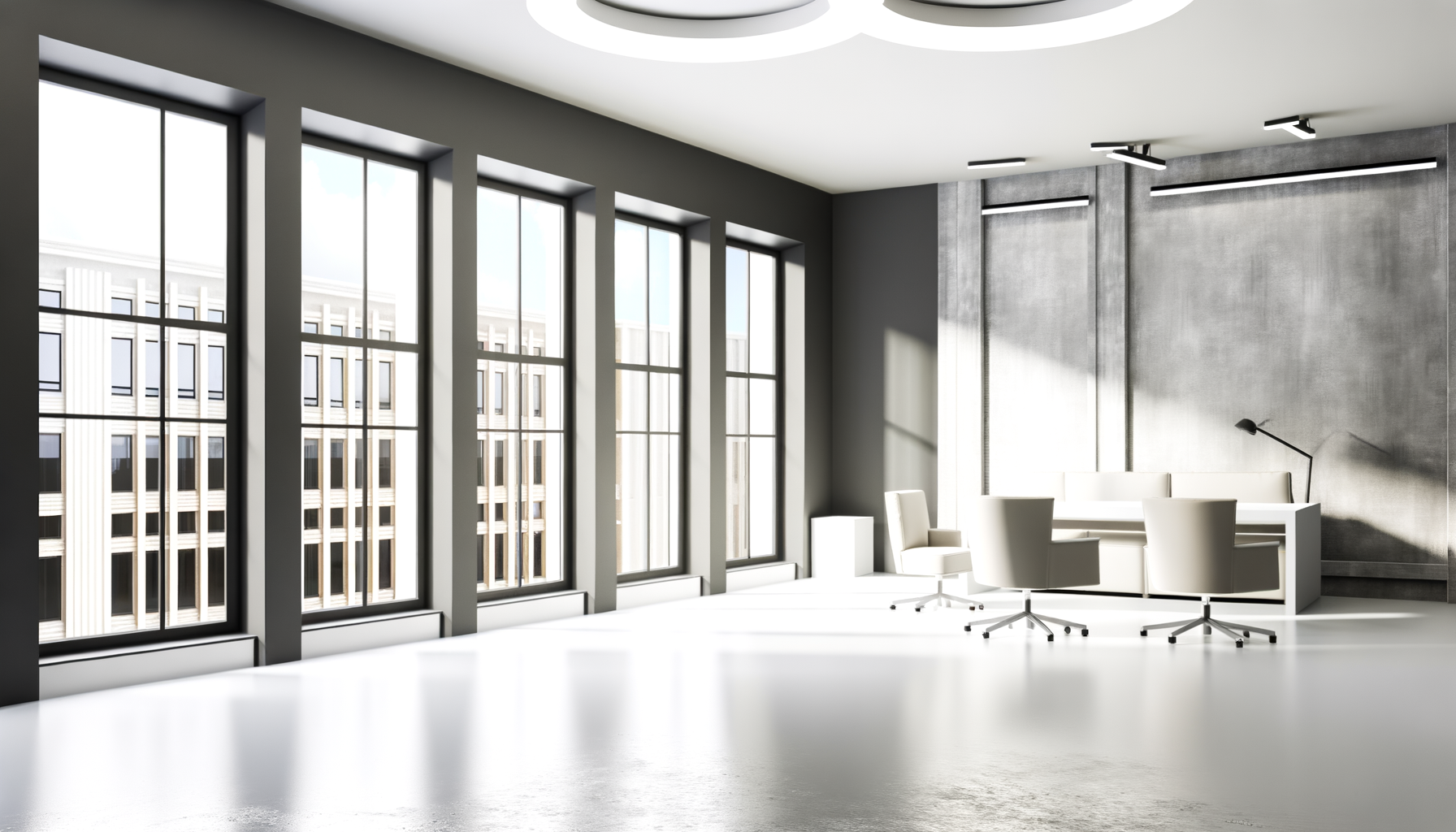
Thermal Break Aluminum Windows in Barcelona: 2025 Updates and Trends
We review the 2024–2025 updates in thermal break aluminum windows: changes in energy-efficiency requirements, slimmer p…
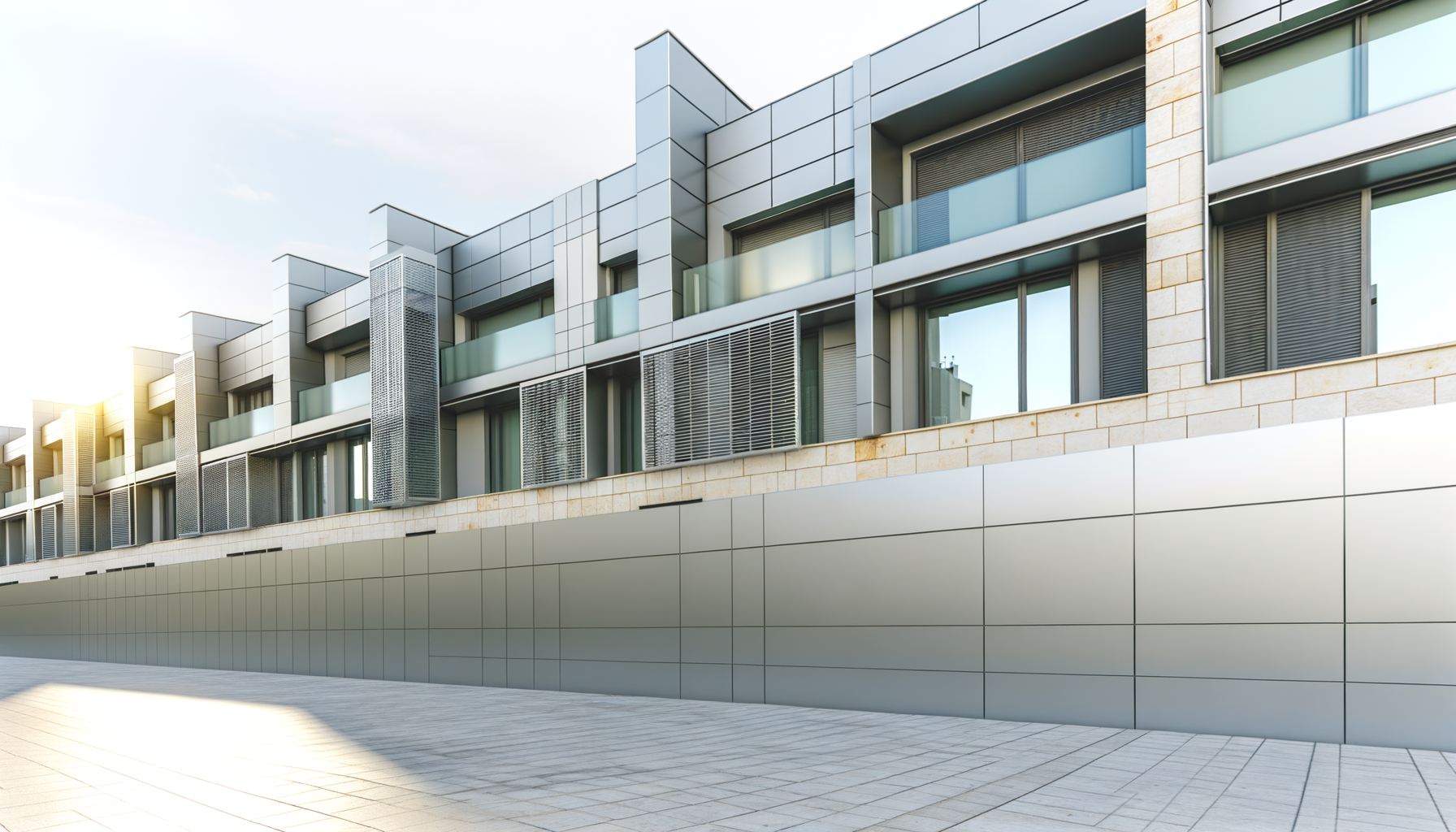
If you’re looking at a new build or a “serious” renovation in Alicante in 2025, you’ve probably come across the topic of aluminium ventilated façades. And it makes sense: here the sun beats down and the sea humidity doesn’t forgive. The idea is simple (and very practical): you don’t install the cladding tight against the wall—you leave an air cavity that “breathes.” The result? In summer, that cavity helps prevent heat from getting straight into your home, and the air circulates like when you open two windows and feel the breeze moving through. A real example: a homeowner in the Playa de San Juan area told me that after installing a ventilated façade, the air conditioning stopped having to run “full blast” from midday; it’s not magic—it’s just that the wall doesn’t overheat in the same way.
On top of that, aluminium holds up well in salty air if you choose the right finishes, and that matters here. And if you’re worried about noise (traffic, terraces, neighbours), a ventilated façade is often paired with insulation, and that’s where you really notice a difference. I’m not going to tell you it’s cheap, but it’s often one of those decisions that saves you headaches later.
Let’s get practical: what do you gain with an aluminum ventilated façade, beyond the fact that it “looks modern”? First, moisture control. In areas like Elche or Alicante, with temperature swings between day and night, it’s common to see stains, peeling paint, or cold corners. The ventilated cavity helps expel condensation and prevents the wall from staying “wet” on the inside. Second, maintenance: compared to a monocouche render façade that cracks and needs patching, here you’re usually dealing with an accessible system; if there’s a localized issue, it can be opened up, checked, and closed again without tearing up half the wall. And in 2025, with labor expensive, that’s gold.
Here’s a very typical scenario: a homeowners’ community that wants to renovate without having the building look like a mess for months. With a ventilated façade, the process is often more orderly because you work in sections, with less drying time and less dependence on the weather. And don’t overlook aesthetics: you can choose panel layouts that disguise irregularities in the substrate, something common in buildings from the 70s–90s. If the current façade is “tired,” a ventilated façade lets you renew it without having to fight every imperfection in the wall.
If you’re thinking “okay, I’m interested,” there are three decisions that change the outcome. The first: insulation (type and thickness). It’s not the same to add “a little bit” as it is to size it properly; in Alicante, with long summers, good thickness shows in comfort and in HVAC runtime. The second: the substructure and anchors. Here it doesn’t pay to cut corners blindly: if you’re near the sea, the environment is harsh, and choosing the right materials and fasteners prevents unpleasant surprises in the medium term. The third: the exterior finish (panel, composite, sheet metal, etc.). Each has its own behavior with sun exposure, thermal expansion, and scratches. Do you have kids, pets, or is it a ground-floor property at street level? Think about impacts and vandalism, because it happens.
A typical case: a retail space in downtown Alicante that wants to refresh its image without closing for weeks. With a well-planned ventilated façade, you can split the work into sections, work in phases, and keep part of the activity running. My friendly advice: ask them to explain how they solve details (corners, coping/top termination, joints) and how access for maintenance/inspection of the façade will be provided. That’s where you can tell whether you’re buying a thought-through solution or an expensive patch-up.
Our team of experts is ready to help you with your aluminum carpentry project.