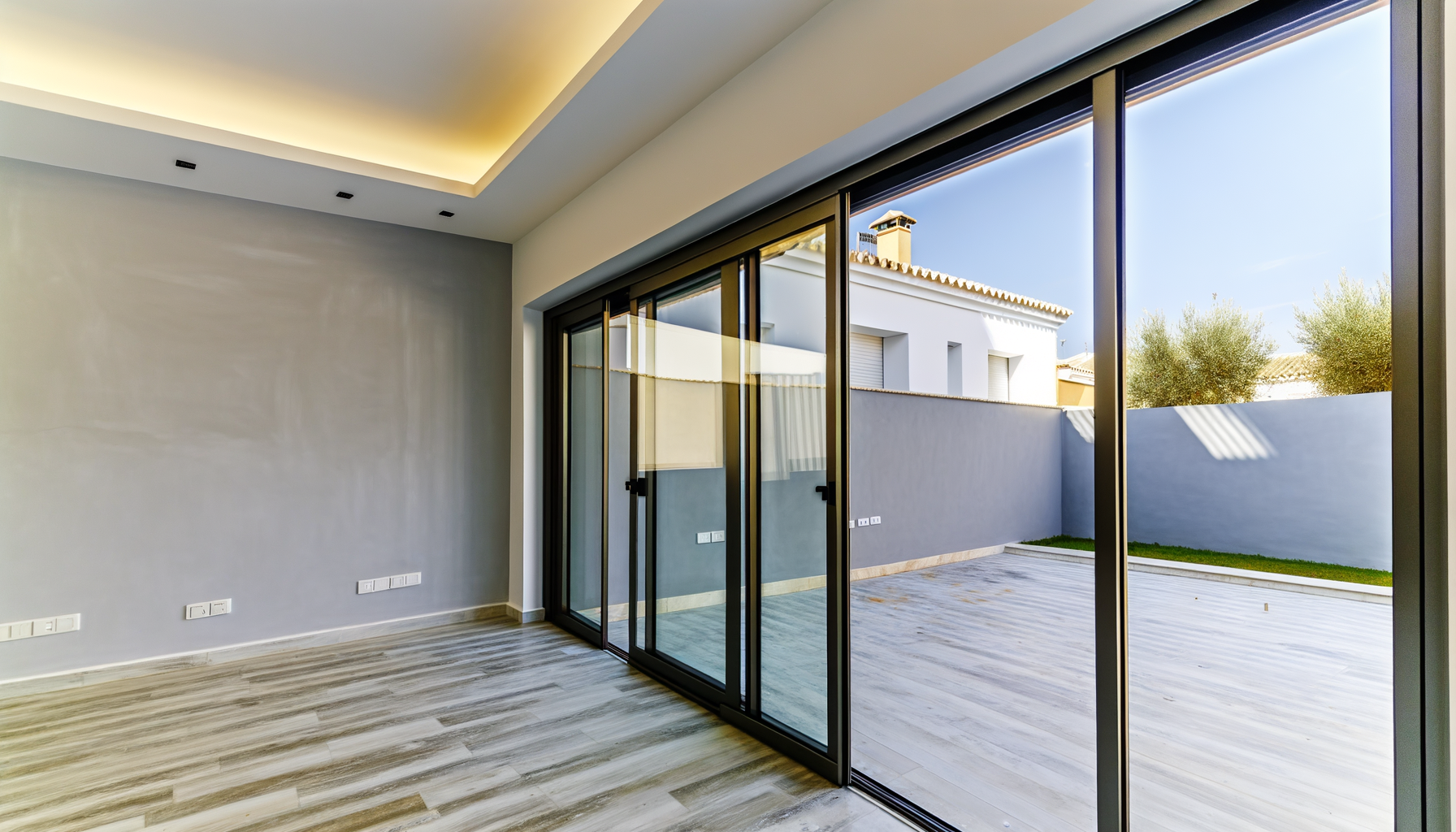
Thermal Break Windows in Alicante: 2025 Updates

Mar 01, 2026
3 min read
Aluminum Carpentry
Thermal Break Windows in Alicante: 2025 Updates
Find out what’s changing in 2024–2025 with new energy-efficiency requirements and how they impact windows and enclosures. We cover the latest innovations in thermal-break (RPT) aluminium profiles, improvements in glazing and hardware, and key tips for choosing more sustainable aluminium without paying more.

2025 in Alicante: thermal break is no longer “an extra”

If you live in Alicante, you already know how it goes: in January you wake up to a cold, damp home, and in July it feels like the sun is coming in through the window. Well, in 2025 thermal break (TB) is no longer “something for northern climates” and is being requested much more here for a very simple reason: you notice it in everyday life. Have you ever touched an aluminum frame and found it freezing in winter or scorching in summer? That “radiator frame” effect is exactly what TB reduces, because it cuts the transfer of temperature between the outside and the inside. And in practice, what changes? Less of that cold-wall feeling near the window, fewer odd drafts in the living room and, above all, a more stable home when you run the A/C or the heating. In apartments near the coast (Playa de San Juan area, for example), where humidity really bites, it’s also highly sought after for a key reason: reducing condensation on profiles when there are temperature swings. It’s not magic, but it can be a real game changer if your windows are “crying” right now.
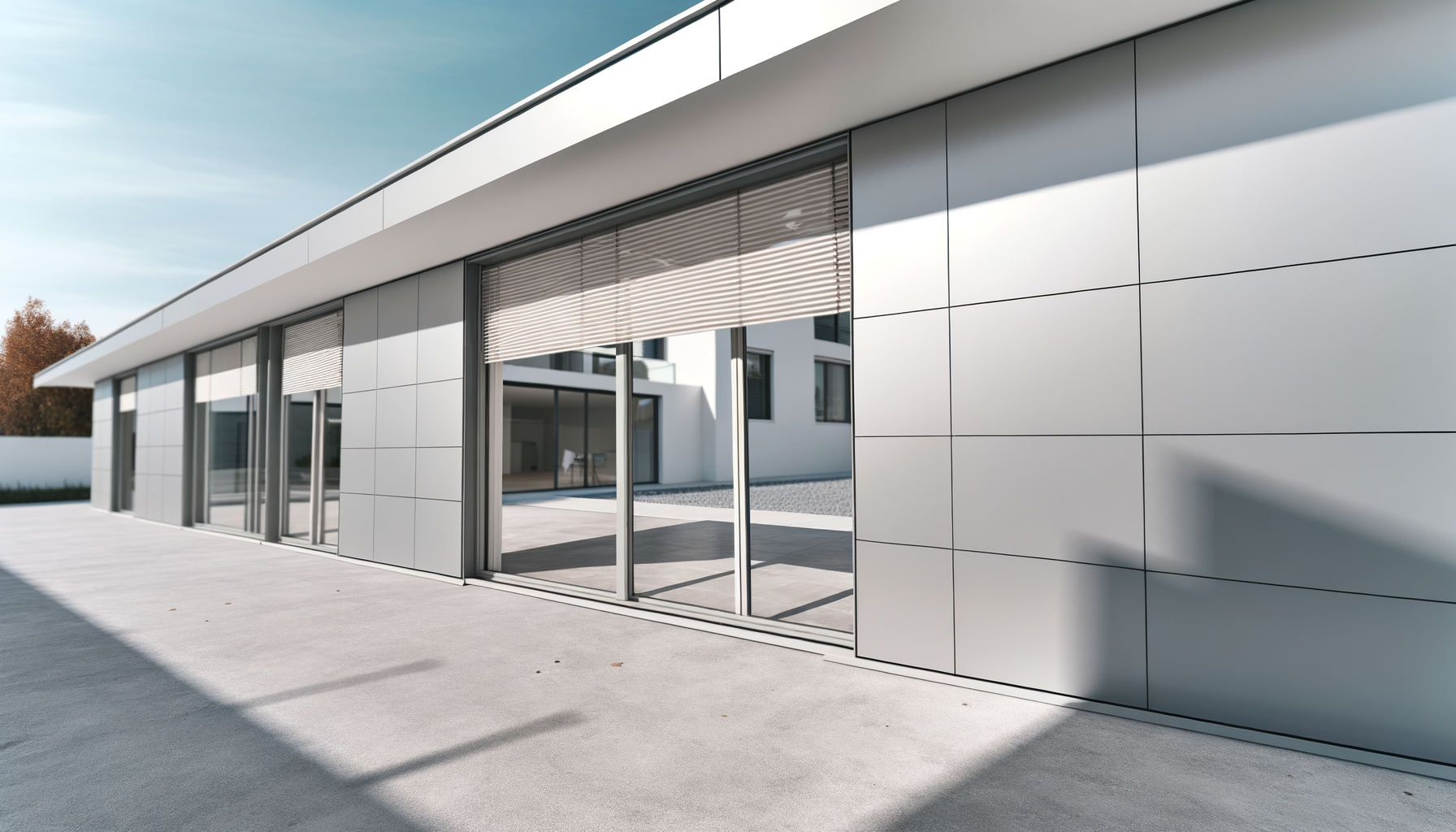

What’s Changing in Profiles and Installations (and Why You Should Care)

The real news for 2025 isn’t that the RPT exists, but how the whole system is being fine-tuned: profile + glazing + installation. Here’s a typical case in Elche: you replace only the sashes or upgrade the glass, but you keep an old frame or a poor seal… and you still hear the street and feel the heat right next to the window. This year, more attention is being paid to “less glamorous” things that make all the difference: more stable polyamides at the joint (so the thermal break withstands expansion properly), better perimeter sealing, and hardware that clamps down properly without stressing the frame. There’s also more demand for profiles with more chambers and designs made to accommodate double and triple glazing without botched jobs (no weird glazing beads or makeshift adaptations). The specific benefit? Fewer air leaks on windy days (very common in higher or more exposed areas), shutters that don’t “whistle” as much, and a window that closes smoothly and still closes the same way five years from now. Because yes—a window can insulate well on paper and fail at home because of the installation.

How to know if it’s worth it (with real examples and quick decisions)

Let’s get practical: is it worth switching to aluminum with a thermal break (TBT) in 2025? If you have old aluminum frames without a thermal break, the answer is usually “yes” when two things happen to you: frequent condensation (droplets in the morning, mold in corners) and temperature spikes that force you to run the A/C like there’s no tomorrow. Think of a bedroom facing an avenue in Alicante: with a modern, properly installed system, you’ll notice you can sleep without that constant “background noise” and without that cold-wall feeling next to the bed. Another example: a living room with a west-facing picture window. Before, at 6:00 p.m. in August, the air conditioner fights the sun; with TBT joinery and well-chosen glazing, the temperature stops shooting up so fast and the split unit runs for less time. What I recommend is that you look for three signs: whether the frame “burns” or “freezes” to the touch, whether there are drafts even when the window is closed, and whether the bills go up as soon as heat or cold extremes arrive. With that, you’ve got a quick filter to decide without driving yourself crazy.

Need professional advice?

Our team of experts is ready to help you with your aluminum carpentry project.