Aluminum Sliding Windows in Madrid: A Practical Guide
Learn how to choose aluminum sliding windows without the hassle: profile types, thermal break (TBB), glazing, and hardw…
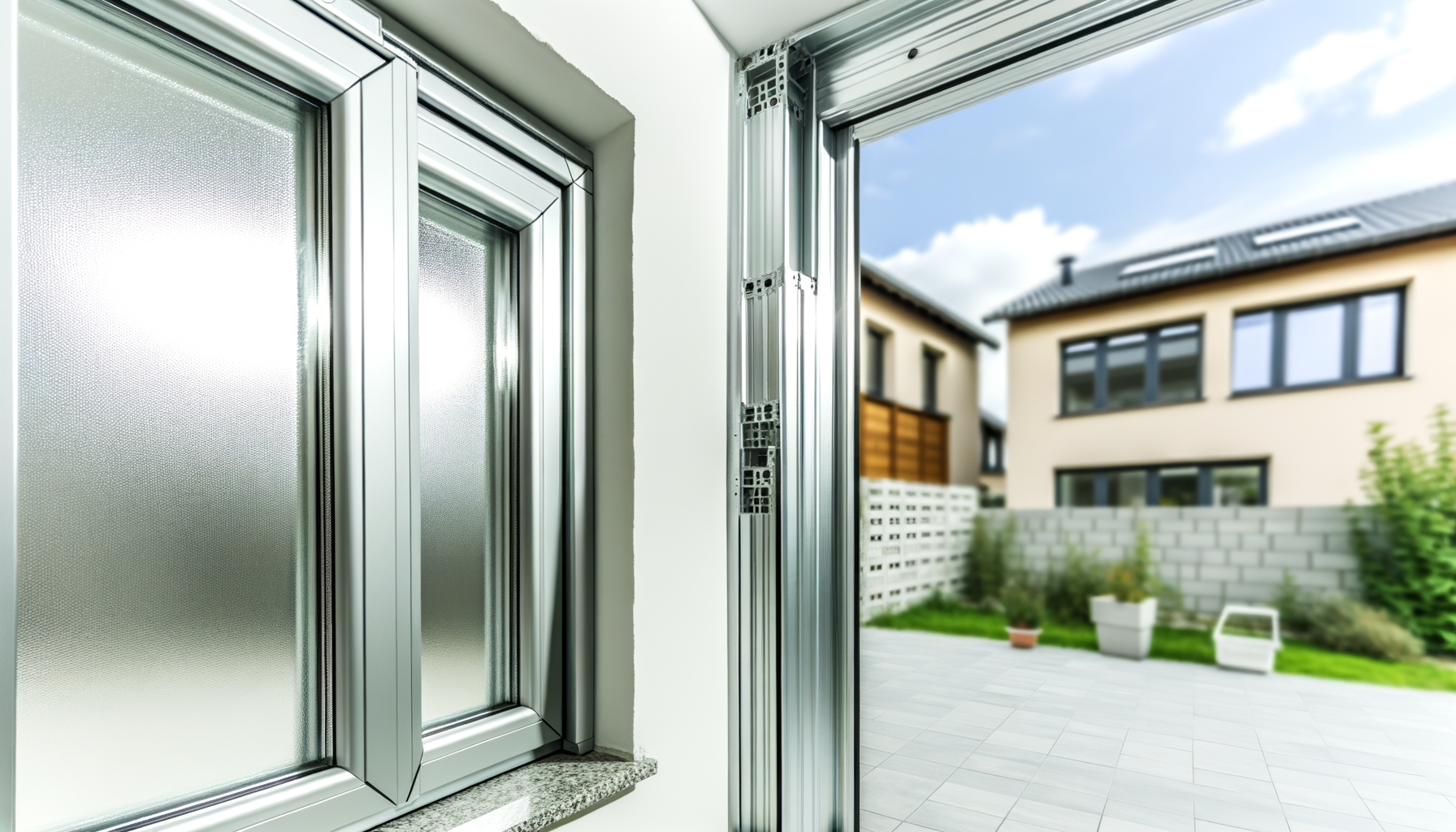
If you live in Barcelona, you already know how it goes: mild winter, yes, but humidity that creeps in—and a summer that gets tougher every year. That’s why in 2025 a clear shift is being felt: people no longer ask “is a thermal break worth it?”, they ask “which thermal-break system are you installing and with what glass?”. And it makes sense. The thermal break (RPT) isn’t a whim: in Eixample flats with old frames, the improvement shows up in two very specific ways—less cold wall around the window and less condensation “runoff” in the morning. A real example: old sliding windows that “sweat” on humid nights; with a thermal break and good double glazing, you stop drying the sill every other day. And watch out, there’s a catch: if you change only the frame but keep weak glass, the result is only half-there. In new builds and serious renovations, the combination thermal break + low-e glass is being requested more and more, and there’s a lot of talk about improving comfort without relying so much on air conditioning. It’s not magic, it’s physics… and a properly done installation.
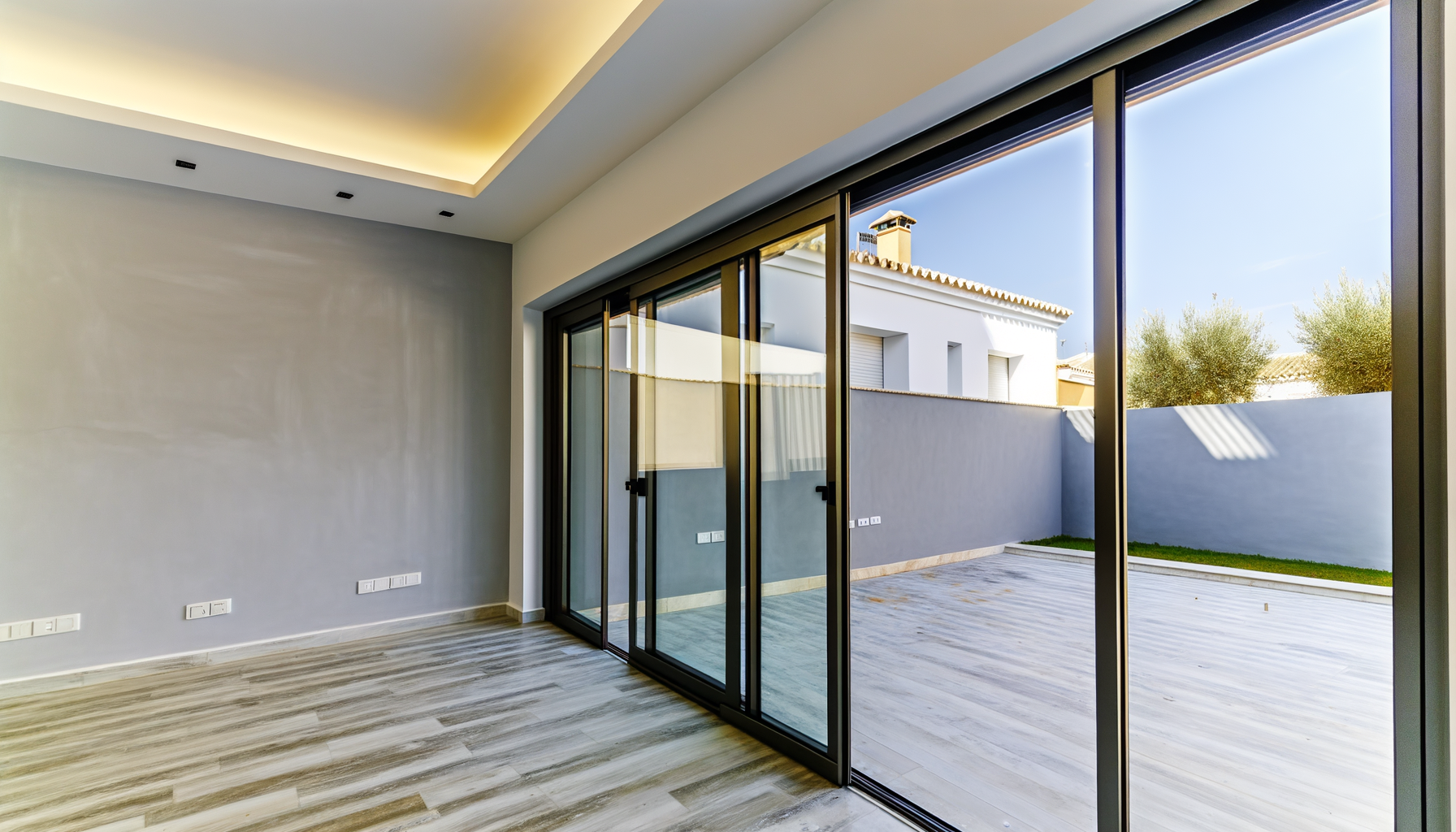
In 2025, the conversation in many home renovations in Barcelona revolves around one word: noise. If you live near an avenue, a school, or an area full of outdoor terraces, what you want is to sleep. And the new thing here isn’t just “installing thermal-break frames,” but tuning the whole package: profiles, hardware, and above all, the right glass. The usual story: someone replaces their windows thinking that alone will end the sound, and then discovers the weak point was the type of glass (asymmetric or acoustic laminated) and the perimeter sealing. There’s also growing interest in systems that don’t give you grief day to day: sliding doors that glide smoothly (without having to shove them with your shoulder), casement windows that close with even pressure, and trickle ventilation so you can air out the room without leaving the window wide open. Do you have kids or work from home? You’ll appreciate this. And a very Barcelona-specific detail: many flats have a narrow balcony door and a roller shutter; more attention is being paid to the shutter box and guides, because if that’s loose, air sneaks in and you lose part of the benefit. Thermal-break frames help, but “silence” and comfort come from the whole system and the installation.
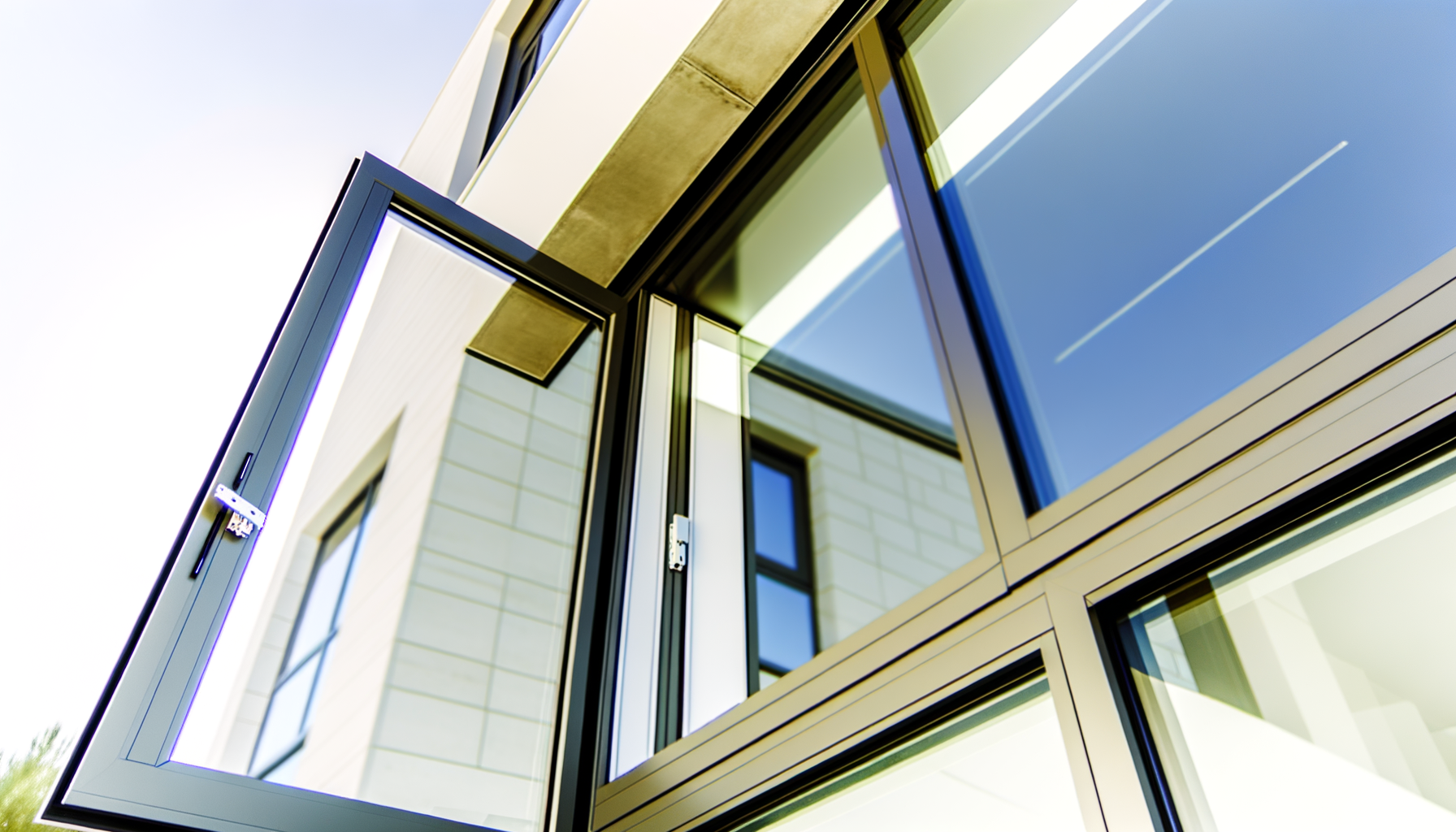
Another change you can notice in 2025 isn’t so much the window itself, but how it’s installed. In Barcelona there are lots of older buildings: uneven walls, subframes that aren’t plumb, roller shutters with old boxes… and that’s where results are either won or lost. More and more care is being taken with perimeter sealing (tapes, the right foams, and finishes that don’t crack after a month) because that typical “mysterious” draught usually comes from a poorly resolved joint, not from the profiles. People are also asking for a clean finish: fewer huge cover trims and more solutions that integrate well with renovated walls, especially when you paint or skim. And I’ll tell you a very real situation: replacing windows in a rented flat to live more comfortably without getting into an endless renovation. In those cases, they look for a fast installation with minimal breakage, but without sacrificing airtightness and weatherproofing. The key is that they explain where the thermal bridges are in your opening (shutter box, junction with the wall) and what they’re going to do to reduce them. In 2025, the difference between “it improved a bit” and “you can really feel it” is usually in the installation details.
Our team of experts is ready to help you with your aluminum carpentry project.