Low-Carbon Aluminum Profiles in Vigo: 2025
Discover what’s new for 2024–2025 in aluminum profiles: lighter alloys, improved thermal performance, and premium finis…
If you’re thinking about installing an aluminum door with a thermal break (RPT) in Madrid, in 2024 the conversation is no longer just about “it closing properly” or “it looking nice.” The focus is now on complying with the regulatory framework for efficiency and safety that applies to new builds and also to many renovations: the CTE (Spanish Building Technical Code), especially the DB-HE (Energy saving) and DB-SI (safety in case of fire), plus anything your permit or your homeowners’ association may require. Why does it matter? Because Madrid has cold winters and harsh summers, and a door without a thermal break is noticeable: the frame “sweats,” you get that cold-wall feeling, and you end up relying on heating/AC more than you should. The RPT (thermal break) isn’t a “premium” add-on: it’s the difference between a profile that transfers cold/heat and one that stops that transfer. Real example: an access door to an inner courtyard in an old apartment in the city center; with old profiles, condensation around the frame in January is typical. With a properly installed thermal break (and decent weatherstripping), that moisture drops a lot, and so does street noise.
I’ll tell you what happens all the time: you buy the door, they install it, and when it’s time to justify the renovation (or the building manager asks for it, or the technician), documents are missing. In 2024, the usual thing is that they require the joinery to come with CE marking and its Declaration of Performance (DoP), where things show up that seem boring, but matter to you: air permeability, watertightness, wind resistance, and in some cases acoustic insulation and U-value. If you live on an avenue with traffic, the acoustic figure will change your life more than the color of the lacquered finish. And watch the installation: no matter how good the door is, if they seal it poorly (foam without airtight tape, or without proper finishing trims), air gets in and the thermal-break effect is lost. The practical key: request in writing “exact model + technical datasheet + DoP” before paying. That way, if there’s an inspection later or you need to justify energy-efficiency improvements, you’re not relying on “they told me it was good.”
In Madrid you see it a lot in 2024: building renovations, replacing access doors to terraces, patios, or commercial units, and homeowners’ associations getting strict about aesthetics and security. Here’s the friendly advice: before you choose, check whether the community restricts the color, the opening type, or even whether it’s allowed to be a sliding door. Because you can get a “no” even if, technically, it’s perfect. Then there’s the second classic: people invest in a profile with thermal break and good glazing, but install a so-so locking system. The result: the door sags, rubs, doesn’t compress the seals… and goodbye airtightness. For a street door or a terrace exit door, hardware and locking points are just as important as the profile. And if we’re talking security, multipoint locking and a decent cylinder (and if you can, a security escutcheon), because in busier neighborhoods you really notice the difference. The real-life situation: a nice-looking door, but with play in the frame; air comes in during autumn, it vibrates in the wind, and you wake up to the “clack.” With proper adjustment and solid locks, you don’t just save energy: you gain everyday comfort, which is what you’re truly after.
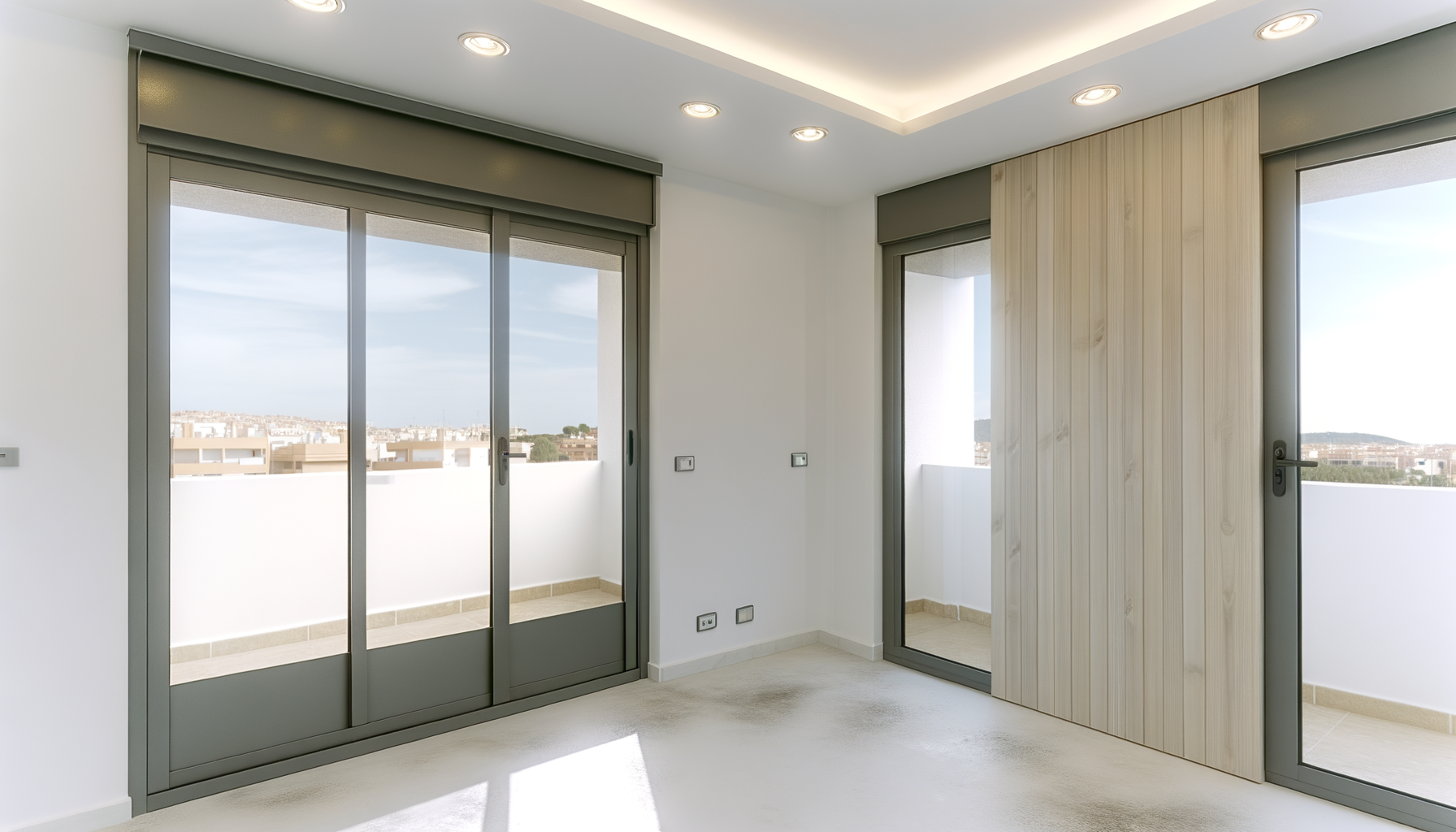
Our team of experts is ready to help you with your aluminum carpentry project.