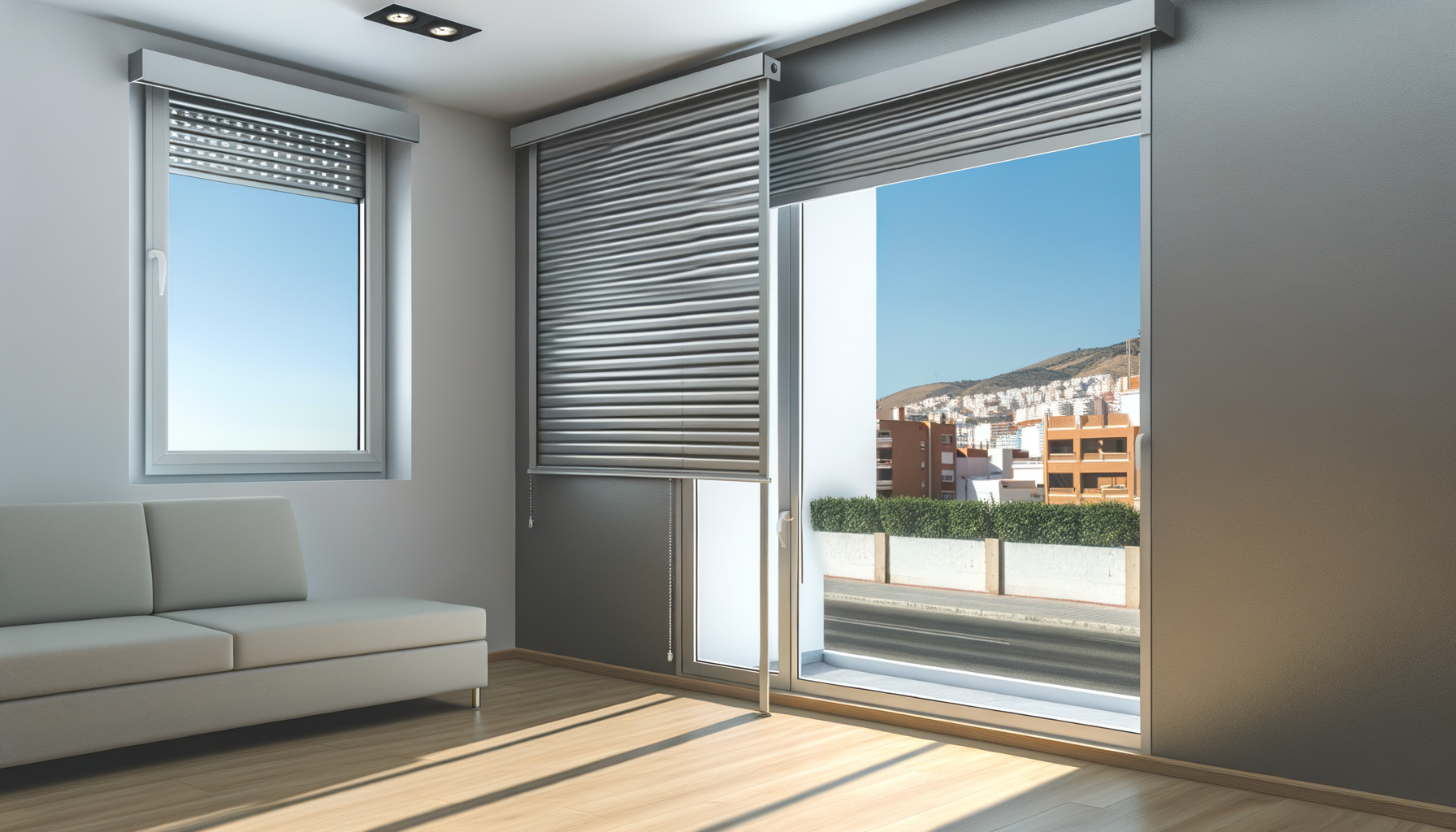
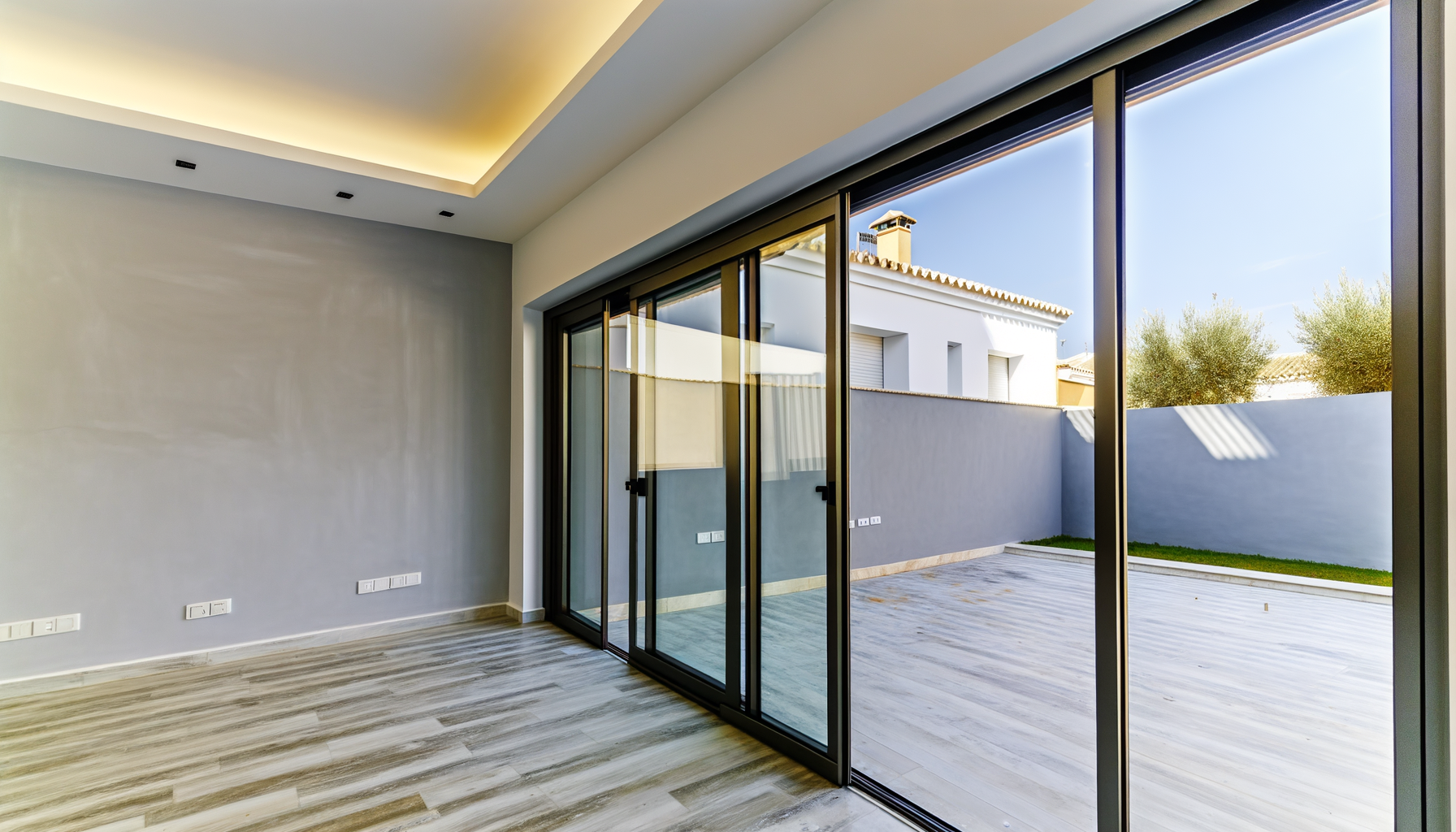
Aluminium Sliding Doors in Seville: 2025 Trends
Find out what’s changing for aluminium sliding doors in Seville in 2024–2025: new, higher-insulation profiles, stricter…
When someone tells you “smart aluminum windows,” the first thing is to clarify what we’re talking about: it’s not a window with a little screen, it’s a window that alerts you and integrates with your day-to-day. In Málaga, the most practical approach in 2025 is usually to combine aluminum frames with sensors: open/close, vibration (forced-entry attempts), and sometimes temperature or air quality. A real example: you live in Teatinos, you rush out to work, and you’re left wondering whether you closed everything properly. With a magnetic contact on the sash, your phone tells you instantly. Or imagine a night with easterly winds and gusts: a vibration sensor can warn you if a sash is “rattling” because the latch isn’t properly adjusted.
The key is that “smart” shouldn’t cover up the basics: profiles, hardware, and installation. If the installer leaves the frame out of plumb, it doesn’t matter if you have an app. Ask them to explain exactly what you’re automating (shutter, opening, alarms) and whether it works without internet. And don’t confuse “home automation” with “zero maintenance”: sensor batteries need replacing, like with any device.
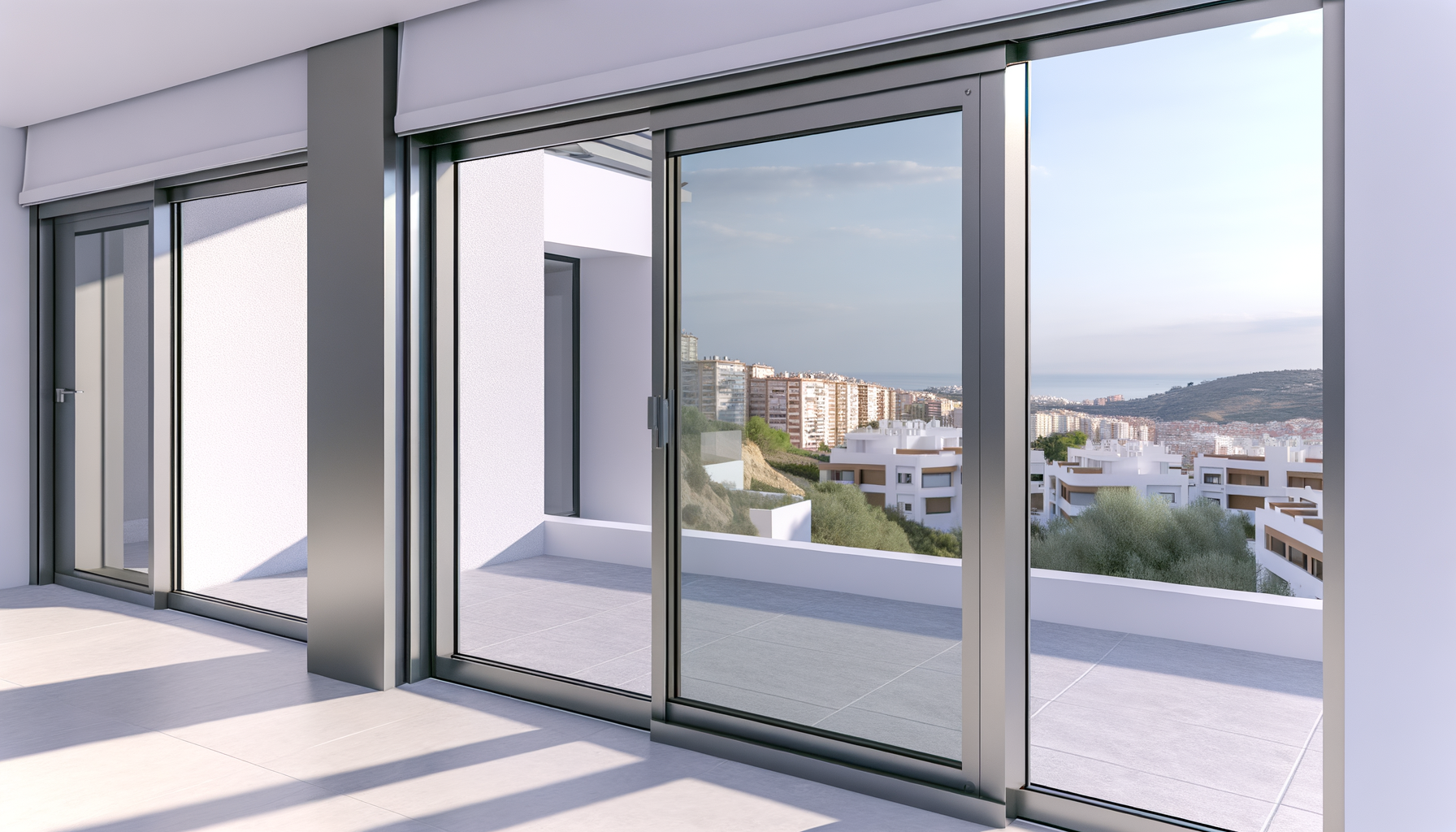
In Málaga it’s not just about the cold: it’s the sticky heat, the sun beating down mid-afternoon, and the noise if you live near an avenue. Here, a smart aluminium window makes sense when you tackle three points: solar control, airtightness, and useful automation. Let me give you a typical case: a west-facing living room in Carretera de Cádiz. At 18:00 the sun blasts in and the air conditioner goes into overdrive. If you have motorised blinds (or smart shades) that lower based on a schedule or temperature, you cut heat peaks without having to keep an eye on it. But: if the window doesn’t seal properly, air leaks in and you lose efficiency anyway.
As for noise, don’t stop at “double glazing” and call it a day. Ask about laminated acoustic glass and about the unit’s air permeability class. A very noticeable improvement is going from “you can hear everything” to “you can hear it, but it doesn’t bother you,” especially at night. And for security, the most practical setup is sensor + security hardware + lockable handle: the app alerts you, but the hardware is what actually holds.
If you’re looking at smart aluminum windows in 2025, ask yourself these questions as if you were choosing a phone—but with construction work involved. First: what do you actually want to automate? A lot of people start with “I want home automation” and end up using just a notification. The most useful features are usually open/closed status (so you don’t leave a window open with kids or pets) and blinds on schedules. Second: how is it powered? If it’s battery-powered, great—but ask for a realistic estimate of battery life. If it’s wired, consider whether you’re renovating or not, because chasing a wall for a motor can be a hassle.
Third: compatibility. If you already have Alexa/Google/HomeKit or an alarm system, confirm the sensor integrates without weird workarounds. And fourth—what really makes the difference: installation and tuning. In Málaga, with humidity and salt air if you’re near the coast, good hardware and easy maintenance matter. Ask them to include an adjustment check after a few months: a sash that rubs today may not close properly tomorrow. A smart window doesn’t fix a bad installation; it amplifies it. If they give you a quote, make sure it specifies the profiles, glass type, sealing, and exactly which smart device is included.
Our team of experts is ready to help you with your aluminum carpentry project.