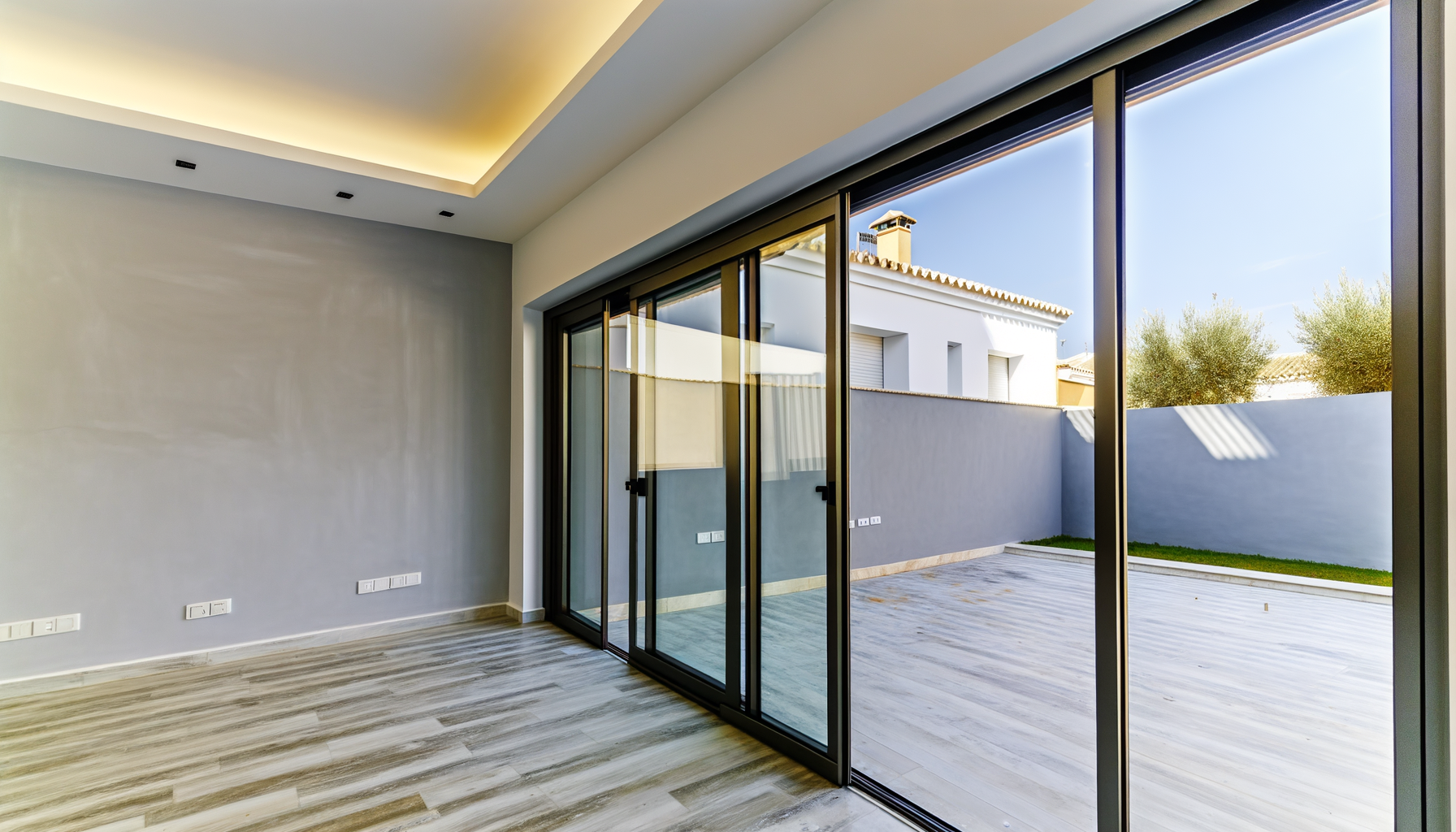
Recycled Aluminum Windows in Zaragoza: 2025

Ene 08, 2026
3 min read
Aluminum Carpentry
Recycled Aluminum Windows in Zaragoza: 2025
Discover the latest 2024–2025 updates in recycled aluminum windows: stricter energy-efficiency regulations, higher-performance profiles, and minimalist design. We explain what’s changing in Zaragoza, how it affects insulation, and which sustainable options make the most sense for a well-planned renovation.

What’s happening in Zaragoza in 2025 (and why you should care)

If you’re looking at windows in Zaragoza this 2025, you’ve probably come across the topic of recycled aluminium. It’s not “eco” posturing: you can actually feel it in very everyday things. For example, in renovations of 80s flats in Las Delicias or in apartment blocks in Actur, lots of people are replacing old joinery (aluminium without thermal break or tired wood) with profiles that contain recycled content and thermal break. The real reason? In winter, the cierzo can turn your living room into a fridge, and in summer the sun hits from the side and bakes the room that faces the street. With today’s profiles, the frame doesn’t “transfer” as much cold/heat, and you notice it in your hand… and on your bill. And keep this in mind: recycled doesn’t mean more fragile; aluminium can be recycled without losing properties, unlike what happens with other materials. The key is that it comes properly certified and that the installation is done well: if the installer leaves gaps or doesn’t seal properly, the material won’t matter.

Concrete benefits: less condensation, less noise, and zero maintenance

Let’s get practical: what do you gain from well-chosen recycled aluminum windows? First, less condensation. In Zaragoza, it’s common to see water along the edge of the glass on cold mornings, especially in bedrooms. If you switch to a system with good insulation (thermally broken profile + the right glazing), you reduce that “sweating” and, with it, the risk of mold in corners. Second, noise. If you live near avenues like Gómez Laguna or have constant traffic, an old sliding window lets you hear even the bus doors closing. With a casement/tilt-and-turn and acoustic laminated glass, the difference is the kind you notice on day one: suddenly you can talk without raising your voice. And third, maintenance: you don’t have to varnish or keep an eye on it swelling with humidity. A damp cloth and you’re done. Real example: in a kitchen with a strong extractor hood and grease in the air, aluminum holds up without the frame looking worn. That said, ask for decent hardware; there’s nothing worse than a “new” window that starts rubbing after a year.

What to look at before buying (so you don’t pay twice)

If you’re considering the switch, here’s what I’d check without overcomplicating it. One: ask for the percentage or certification of recycled aluminum (don’t settle for “it’s sustainable,” because anyone can say that). Two: ask about the whole setup, not just the frame: opening type, glass (double/triple, low-E, solar control) and, above all, how they’re going to seal and level everything. In Zaragoza you see a lot of botched jobs done in a rush: foam with no proper finish, trim pieces fitted badly, or shutters that let air through the side guides. Then people say “these windows don’t insulate,” when the problem was the installation. Three: if your flat gets strong afternoon sun, consider glass with solar control; if it faces a dark inner courtyard, prioritize low-E so you don’t lose heat. And a timely detail: more and more homeowners’ associations are coordinating replacements for entire entrances to keep the look consistent and get better prices. If your neighbor is thinking the same, talk to them—sometimes it works out much better to do it together.

Need professional advice?

Our team of experts is ready to help you with your aluminum carpentry project.