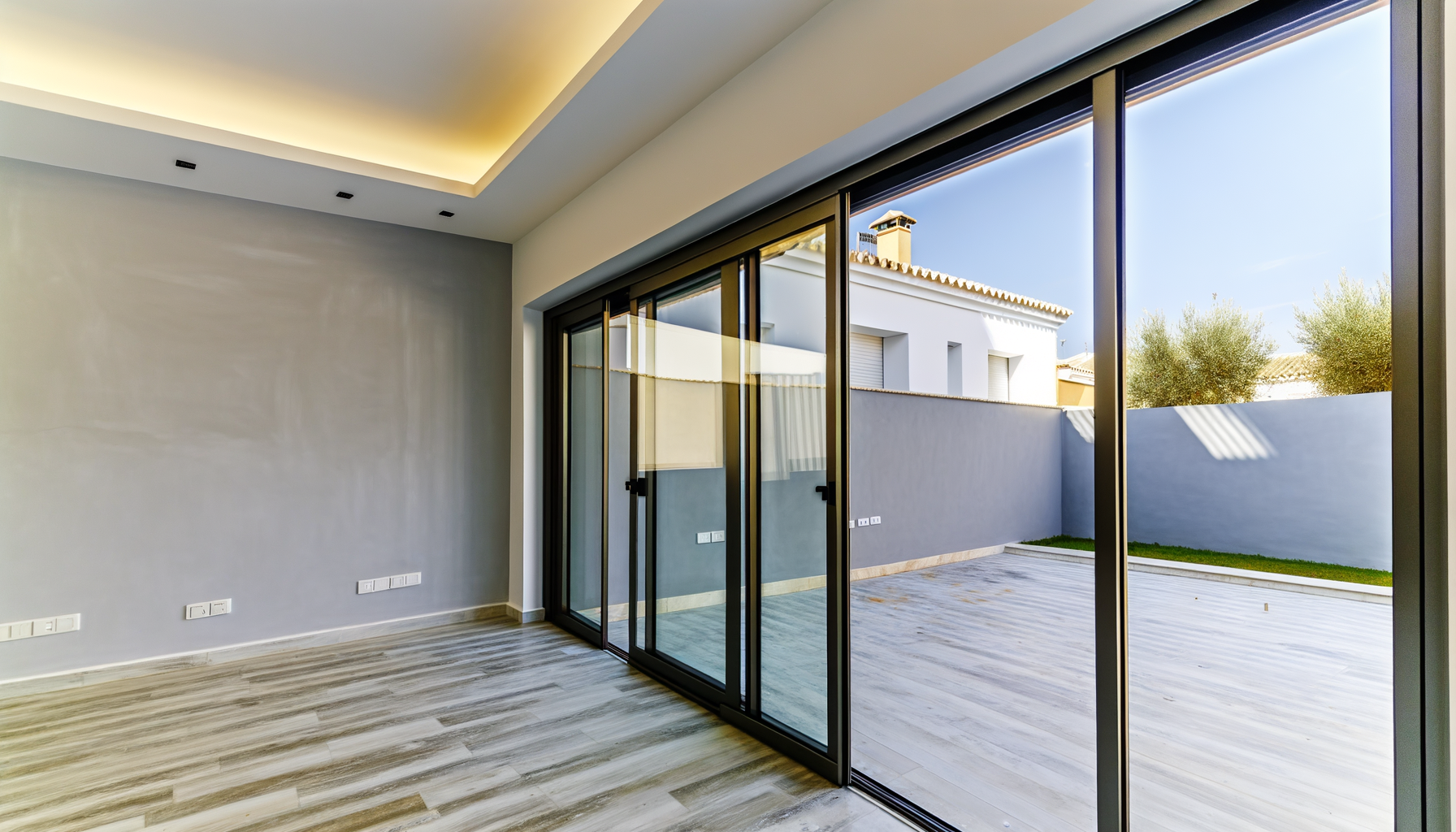
Minimalist Aluminium Windows in Barcelona: 2024
Discover the 2024–2025 trends in aluminium windows in Barcelona: slimmer profiles, improved insulation, and minimalist …
In Vigo, 2025 is arriving with a topic that’s no longer just “to look good”: more and more projects and renovations are asking for low-footprint aluminum profiles. Why now? Because with tighter budgets, better-informed clients, and tenders that require traceability, “where does this aluminum come from?” is starting to matter as much as the color or the system. In practice, this usually means two things: aluminum with high recycled content and processes with lower energy consumption (backed up by paperwork that proves it). Let me give you a real on-site example: you replace windows and frames in an apartment in Navia and the client doesn’t just want them to close properly and not form condensation; they also ask whether there’s a certificate of origin and what happens to the old aluminum. If you choose a profile with clear documentation, you can answer without beating around the bush and, at the same time, fit better when the architect is counting sustainability points. It’s not magic: there are still pricier ranges and more basic ones, but what’s new is that the low-footprint topic is entering the conversation from day one.
Okay, but what you really want to know is: do you notice it day to day, or is it just a label? You do notice it—especially if you work with well-engineered systems. With low-footprint profiles that come well extruded and with tight tolerances, installation is usually cleaner: fewer weird adjustments, less time fighting with squares, and therefore less waste. And that, on a renovation in Coia where the opening “isn’t plumb in the slightest,” is appreciated. Also, when you combine a good thermal-break profile with suitable glazing, the jump in comfort is tangible: less ice-cold wall next to the window and fewer condensation “streaks” on damp mornings. The key here is not to mix up concepts: low footprint does not mean worse performance. In fact, many ranges that bet on recycled content go hand in hand with better process control and technical documentation, which saves you nasty surprises when the inspection comes—or when the client asks you for numbers (Uw, air permeability, watertightness) rather than opinions.
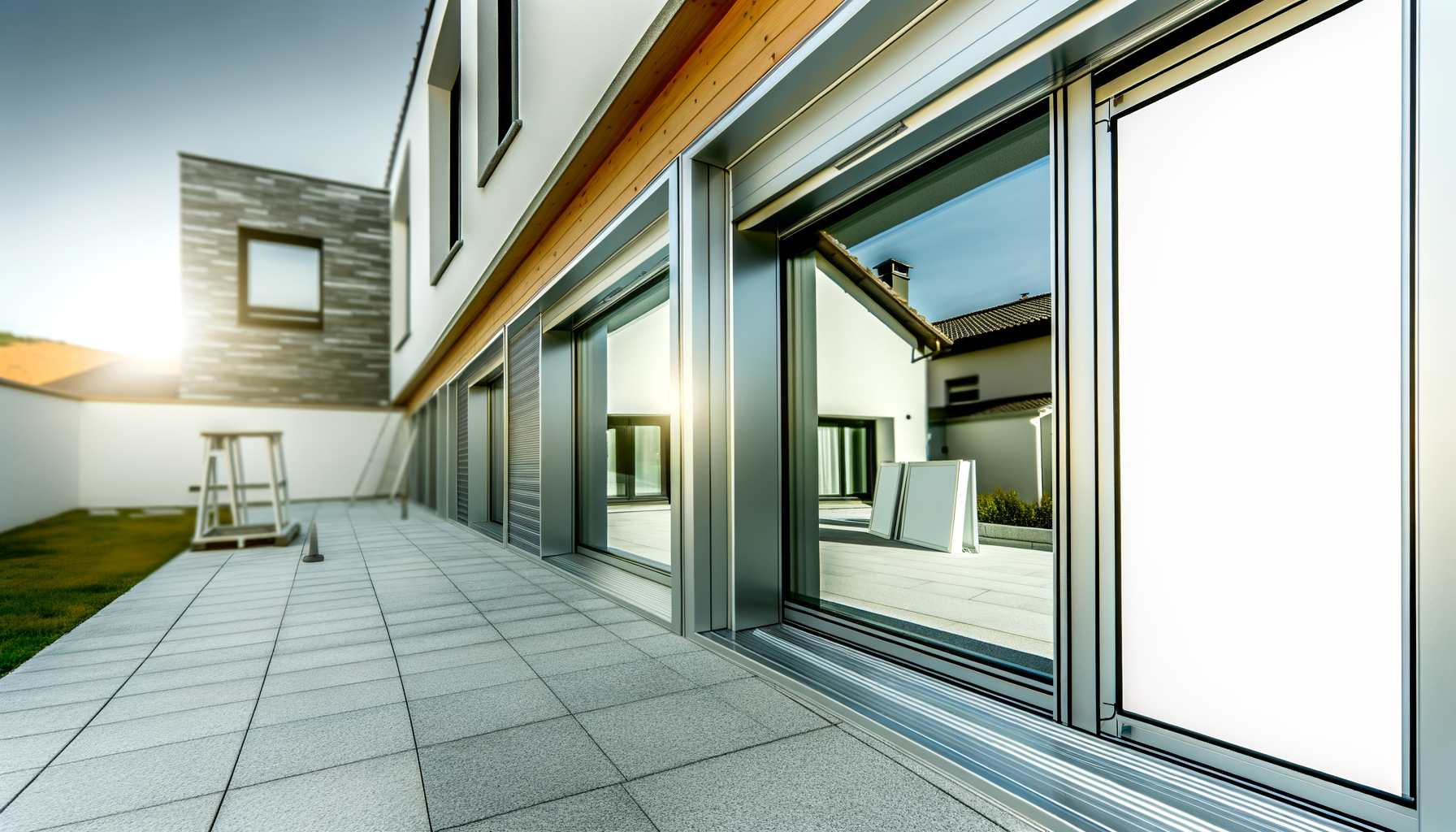
If you want to make smart moves, there are three questions that will save you time. First: what percentage of recycled content does the profile have, and how do they back it up? “A lot” doesn’t cut it; ask for the manufacturer’s declaration and, if applicable, an EPD. Second: how do they handle end of life? In Vigo, it’s already becoming clear that some companies collect the old joinery or point you to a recycling channel; that lets you tell the client “this doesn’t end up in just any dumpster.” And third: what about finishes? Because one thing is the aluminum footprint, and another is whether the powder coating or anodizing will actually last in a salty area. On the coast, it’s worth asking about finish warranties and realistic maintenance: rinsing with fresh water, how often, and which products to avoid. Typical example: you enclose a gallery in Teis and a year later they call you about stains; if from minute one you explain minimal but consistent maintenance, you save yourself arguments. In short: a low footprint works when it comes with paperwork, a good system, and clear expectations. The rest are just headlines.
Our team of experts is ready to help you with your aluminum carpentry project.