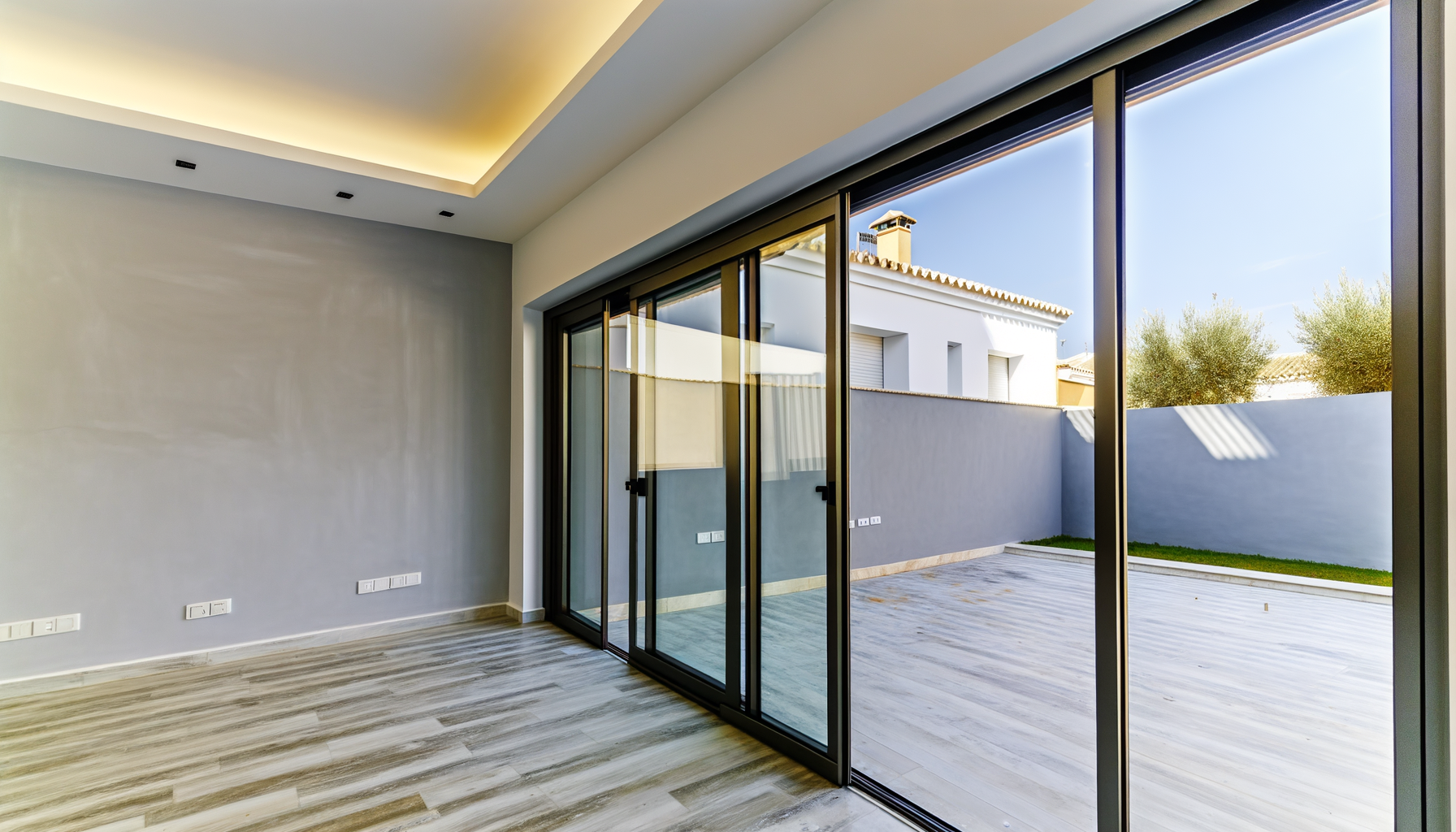
Aluminium Sliding Doors in Seville: 2025 Trends
Find out what’s changing for aluminium sliding doors in Seville in 2024–2025: new, higher-insulation profiles, stricter…
If you live in Madrid, you’ve probably already noticed: in winter the cold slips in through any crack, and in summer the living room turns into an oven. That’s why in 2024 the efficiency rules have raised the bar for refurbishments and new builds—and it’s not about “fashion,” it’s about numbers. In practice, what affects you most is that they’re going to ask for a window that truly cuts heat transfer: thermal break, glazing that isn’t “the same old one,” and an installation with no botched work. Does the “I changed the windows and I can still hear the M-30” line sound familiar? Many times it’s not the aluminium—it’s the whole system (profiles + glass + installation). In a typical renovation in Carabanchel or Vallecas, for example, if you go from an old sliding window to a casement with a good perimeter seal, the improvement is immediate: less draft at ankle level, less condensation on the frame, and the heating running fewer hours. And watch out: the regulation doesn’t only look at the product; it also matters that the final result aligns with the energy certificate and what the technician declares.
When they give you a quote, don’t stop at “white aluminium and double glazing”. Ask for specific data, because that’s where you can tell whether it’s a serious window or one that just about meets the minimum. To start with: U-value of the whole unit (complete window). The glass is not the same as the whole unit, and it’s very common for someone to sell you good glass fitted into a weak frame. Then there’s the glass itself: a double-glazed unit with low-e coating and gas fill (if applicable) usually makes a real difference in Madrid, especially on north-facing elevations or on higher floors exposed to wind. And the third pillar is the closing system: a simple sliding window can be convenient, but if your priority is insulation, a casement/tilt-and-turn with decent hardware usually wins by a landslide. Real example: in a flat in Chamartín, they replaced old sliding windows with tilt-and-turn ones and the night-time noise and the feeling of a “cold wall” next to the window dropped. Lastly, ask them to clarify the air permeability (class), because if air gets in, it doesn’t matter what the glass spec says.
The standard can say whatever it wants, but if the installation is poor, your efficient window turns into a “nice-looking, that’s it” window. In Madrid, the classic failure is the perimeter: foam everywhere, a trim cover and done. The result? Thermal bridges around the edges, air leaks and, sometimes, mould in the corner of the jamb. What you should demand is an installation done with proper judgement: well-resolved interior and exterior sealing, correct frame support, and finishing that doesn’t leave an open cavity. If your building is old (many in Tetuán, Arganzuela, Chamberí), also check the condition of the subframe, or whether it’s better to remove it altogether. Another point: ventilation. For years now, there has been increasing pressure regarding indoor air quality, and in 2024 it’s more common for them to talk to you about trickle vents or how you’re going to ventilate if you go from a “leaky window” to an almost airtight one. And if you’re looking for grants or need to justify a renovation, keep datasheets, CE marking, performance specs and the invoice: what isn’t documented later “doesn’t exist” when it’s time to prove compliance or apply for subsidies.
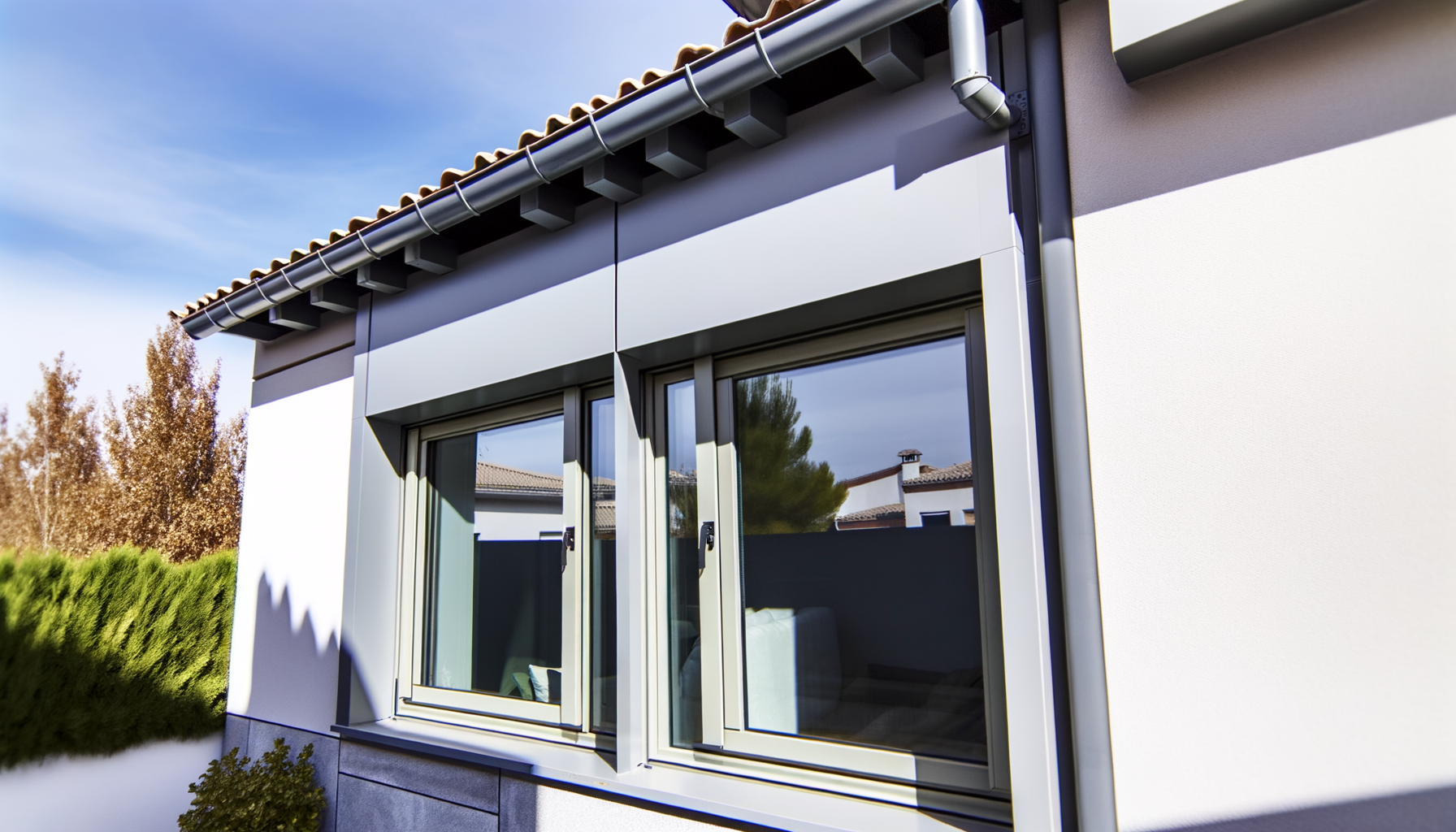
Our team of experts is ready to help you with your aluminum carpentry project.