Aluminum Doors in Barcelona: Buying Guide and Maintenance Tips
Learn how to choose aluminum doors for your home in Barcelona: types (hinged, sliding), insulation, and security. Inclu…
If you live in Madrid, you already know it: in winter you end up wearing your coat indoors, and in summer it feels like the sun has moved into your living room. And in 2025, with energy bills that keep causing trouble and more frequent heat waves, a lot of people are looking at aluminium windows with triple glazing differently. Not for show, but because it works in everyday life. Let me give you a real example: a flat in Chamberí, street-facing with traffic. They switched from double to triple and the first thing they noticed wasn’t “how nice they look”, but that the room stopped being a loudspeaker at night and the radiator ran for less time. And careful, it’s not magic: triple glazing helps reduce heat transfer and also dampen noise, but only if the whole system is properly installed. This is where aluminium matters: stable profiles, tight-closing hardware, and fewer things “shifting” over time. If your current window has play or air leaks through the frame, triple glazing multiplies the results… but if it’s badly installed, you only get halfway there. Sound familiar—adding draught strips every autumn? That’s what this is about.
You don’t really understand the difference triple glazing makes until you experience it on a normal day: you sit near the window and you no longer feel that cold “draft” on the back of your neck. In Madrid this happens a lot in north-facing flats or those shaded by other buildings, and in top-floor apartments in Carabanchel or Vallecas where the heat in August gets trapped. With triple glazing, the feeling is usually more even because the temperature gap between inside and outside is reduced. And if you work from home, the other change is noise: sirens, motorbikes, construction… They don’t disappear, but they feel farther away. That said, it’s not all “install triple and you’re done.” If you have a traditional shutter with an old shutter box, that box can be the weak point. In many renovations, you notice a bigger improvement by upgrading the shutter box and seals than by changing only the glass. There are also practical decisions: if you open the window often to ventilate, consider hardware and trickle ventilation so you don’t lose what you’ve gained; and if you’re worried about light, triple glazing can include coatings that control the sun without turning the room into a cave. The key is to have it calculated based on orientation, the actual street noise, and the sash size—not with a one-size-fits-all recommendation.
I’d tell you that before asking for a quote, you should ask three simple questions—the kind that prevent surprises. First: does the aluminum include a thermal break? Without it, the frame can become a shortcut for cold/heat, no matter how triple the glazing is. Second: what exact build-up are you installing? A “triple” with poorly designed cavities is not the same as a balanced combination (thicknesses, cavities and, if needed, gas) for your case. Third: how are you going to handle the interface with the building work: sealing, subframe, finishing trims, and the roller-shutter box? In Madrid it’s typical to find shutter boxes that look like one continuous slit; that’s where comfort leaks away. Think of a very common situation: you replace the windows, spend the money, and then you still hear the street because the box vibrates or because there’s a tiny bit of play in the sash. A window isn’t just the glass: it’s the whole assembly, and the “ugly detail” is usually around the perimeter. If the installer speaks clearly about measurements, tolerances, and how they’re going to finish the trims (without “we’ll see”), you’re on the right track. Are you more interested in cutting noise or cutting your bill? Say it from the start and it will be designed in your favor.
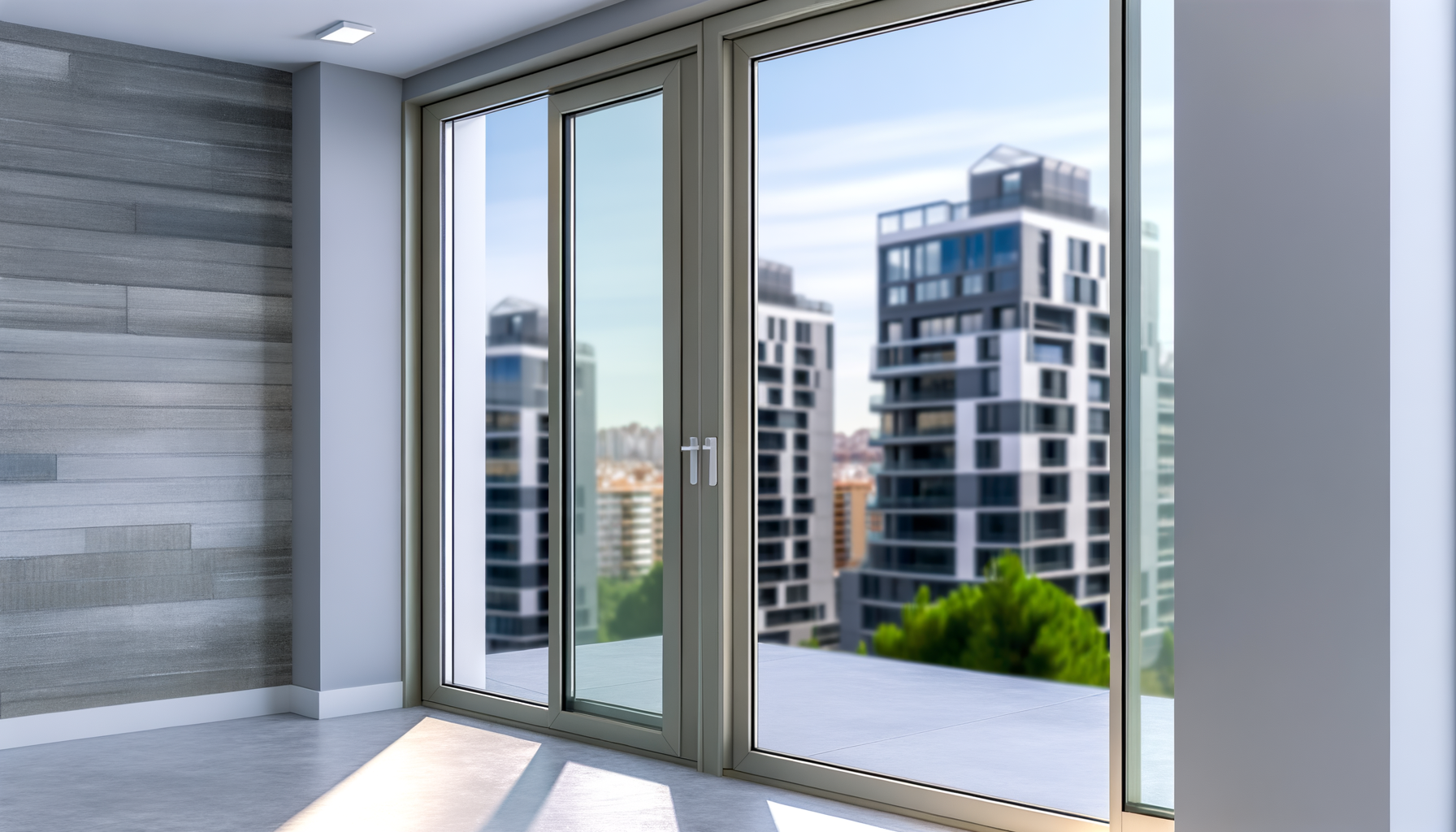
Our team of experts is ready to help you with your aluminum carpentry project.