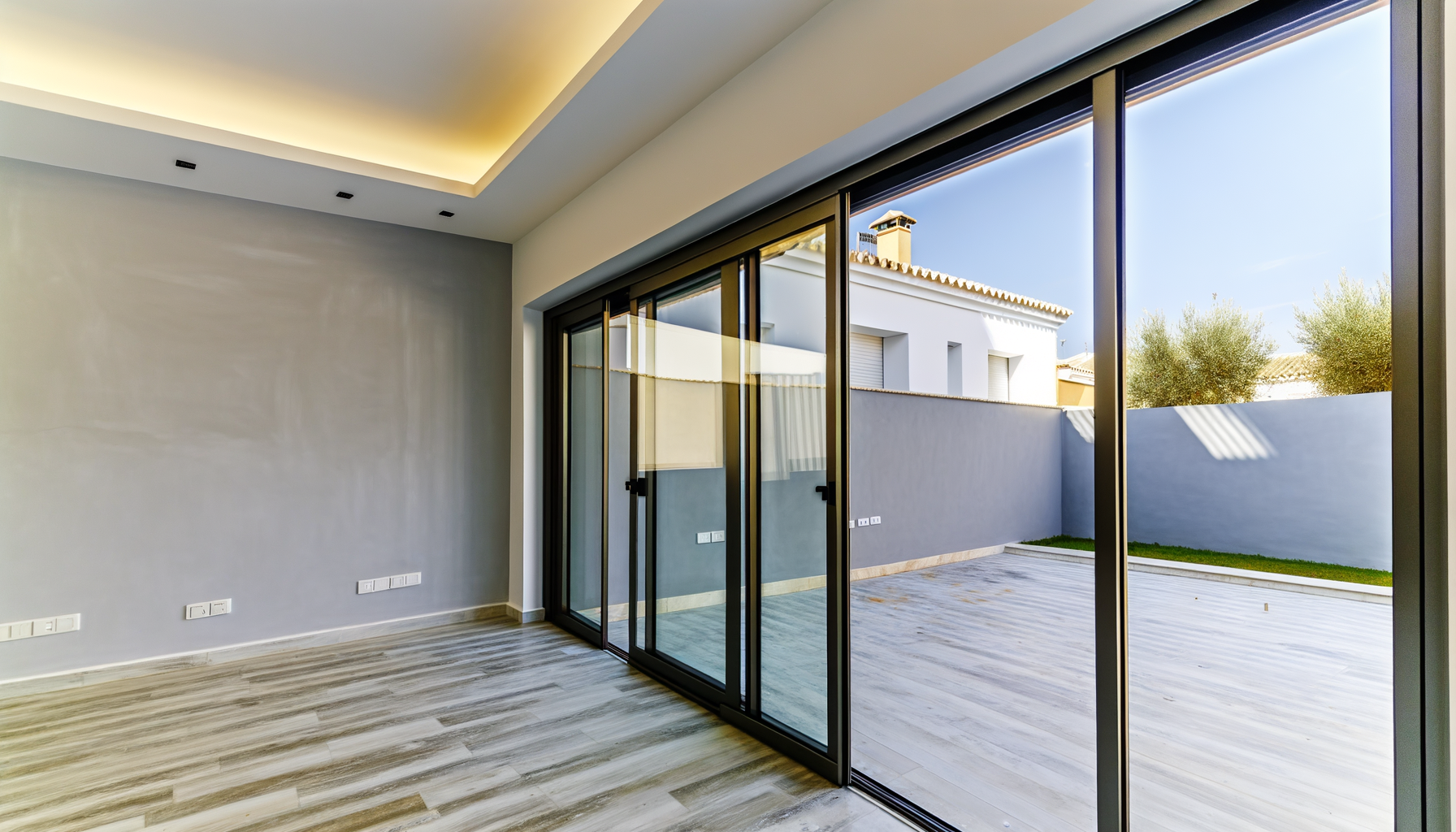
Aluminium Sliding Doors in Seville: 2025 Trends
Find out what’s changing for aluminium sliding doors in Seville in 2024–2025: new, higher-insulation profiles, stricter…
If you live in Granada, you already know how it goes: in winter you shut everything tight so no drafts get in, and in summer you look for ventilation without feeling exposed. That’s why, before buying anything, you should check what type of locking system your aluminium window has. The most common is the espagnolette lock (the handle that moves rods up and down). There are also sliding windows with a simple latch, which are fine for everyday use… but if your window faces an inner courtyard or a quiet street, they can fall short. Does this sound familiar: “the window closes, but it doesn’t stay tight”? In that case it’s usually not the window itself—it’s the mechanism that’s worn out or poorly adjusted.
A real example: lots of people in flats in Zaidín or Chana complain that the sash “wobbles” when it’s windy. With a compatible lock and proper hardware adjustment, you get a tighter closure and notice less noise. And watch out for botched fixes: fitting just any bolt can stress the profile and then the sash starts rubbing. Better to identify the model (hardware brand, screw spacing) and choose the lock that truly fits.
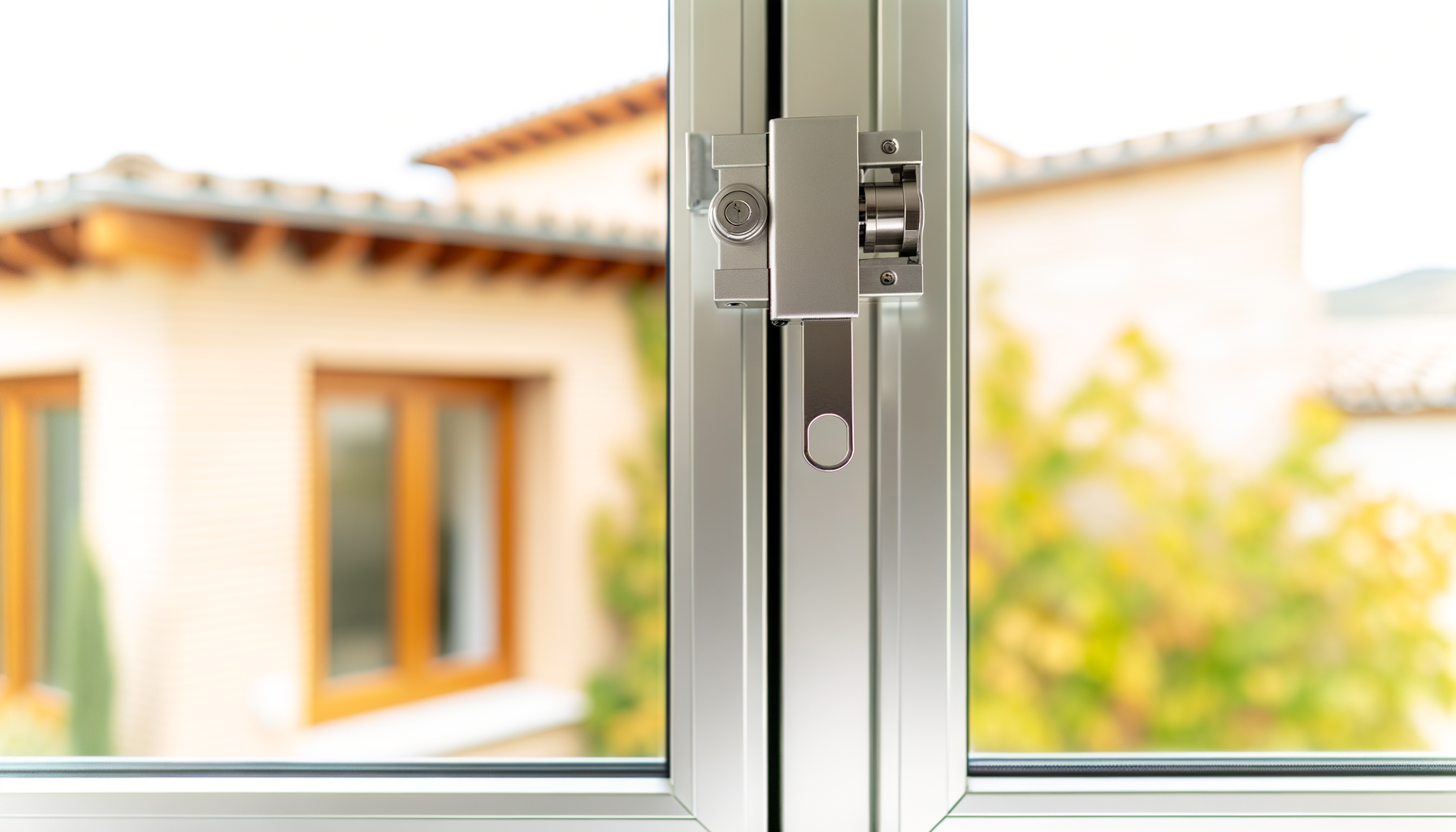
Casement/tilt-and-turn windows usually allow for more comprehensive locking: multiple locking points and a handle with a lock. By contrast, on a sliding window the weak spot is often where the two sashes meet. If you have an older sliding window, it’s usually that latch that gives way with a hard shove; to truly improve security, look at options like a keyed lock or a specific “anti-pry” device for sliding windows. It’s not paranoia: if your window opens onto a shared terrace, or a ground-floor area with easy access, that extra protection makes a difference.
Typical situation: you’re away for the weekend, the Levante returns or the Sierra Nevada wind picks up, and the sash ends up just a tiny bit loose; not only does cold air get in, you also hear more street noise. A better lock isn’t just “anti-burglary”: it means less play, less vibration, and a better feel when operating the handle. And if you have little ones at home, here’s the key point: an opening restrictor (key- or button-type) prevents scares when they want to lean out “just for a moment”.
Before going for a “universal” lock, do a quick 2-minute check. First: is the handle stiff or does it spin freely? If it spins freely, it could be the square spindle or the lock case. Second: does the sash fit properly in the frame or does it rub at the bottom? Sometimes the problem isn’t the lock, but the adjustment; you swap the part and nothing changes. Third: note down measurements: distance between the handle screws, profile type, and, if it’s a sliding window/door, the thickness of the sash where the lock goes. With that, you’ll avoid buying parts that won’t fit no matter what.
In Granada you see a lot of aluminium from different periods, so it’s worth bringing a photo of the hardware and, if you can, the reference. What’s the concrete benefit? You fit it right the first time, save yourself returns and, above all, get a lock that actually pulls the seal tight and improves insulation. If you’re torn between two models, prioritise the multipoint lock on casements and the keyed lock on accessible sliders. And if the window is very old, consider this: sometimes it’s worth replacing only the hardware (cheaper) instead of touching the whole frame.
Our team of experts is ready to help you with your aluminum carpentry project.