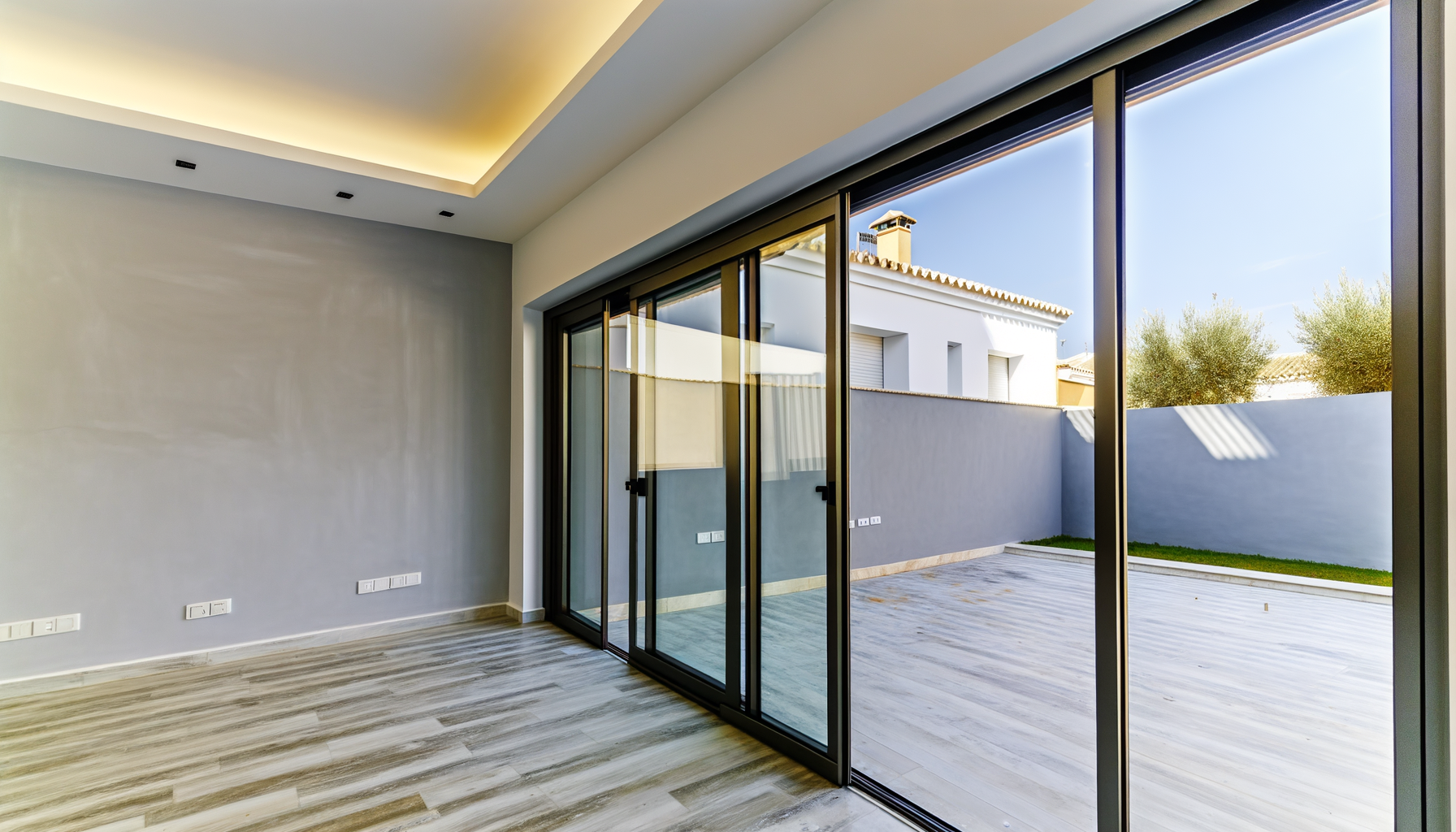
Aluminum Sliding Windows in Madrid: A Practical Guide

Dic 29, 2025
3 min read
Aluminum Carpentry
Aluminum Sliding Windows in Madrid: A Practical Guide
Learn how to choose aluminum sliding windows without the hassle: profile types, thermal break (TBB), glazing, and hardware that truly matter. Includes a buying checklist, a side-by-side comparison of options by budget, and maintenance tips to prevent sticking, air and water leaks, and loss of insulation.

What to look for before choosing a sliding window (without going crazy)

If you’re looking at aluminium sliding windows in Madrid, the first thing is to think about how you live in your home. Are you the type who opens and closes them a thousand times a day to air the place out? Then you want the sash to glide smoothly, without jerks. In many flats in Madrid (Lavapiés, Carabanchel, even in houses in Las Rozas) the typical problem isn’t “the window” — it’s real-life use: you install it in a narrow opening, with a radiator underneath, and you need it not to take up space. That’s where a sliding window wins hands down. But careful: sliding doesn’t always mean “perfect insulation.” If your living room faces a traffic-heavy avenue or a courtyard where everything echoes, pay attention to the type of locking system and the seals, because that’s what makes the difference when winter arrives and noise creeps into the house. And one very practical tip: open and close the display model in the shop as if you were in a hurry. If it sounds like it’s “scraping” or you notice any play, imagine that after two summers of dust and daily use.

Aluminium in Madrid: cold, heat and noise… and how it shows up in your day-to-day

Aluminium in Madrid: cold, heat and noise… and how it shows up in your day-to-day

Madrid can be unforgiving: in January you freeze, and in July the sun beats down as if you’d landed the building’s top-floor penthouse. That’s why, with aluminium, the key point is usually the thermal break. In plain terms: so the frame doesn’t turn your window into an “ice bar” in winter or a radiator in summer. You notice it in concrete ways: less of that “freezing wall” feeling next to the window, less need to crank the A/C, and less condensation on cold mornings (that mist that later turns into droplets). And if noise is a concern—because you live near the M-30 or on a street with bars—don’t stop at “double glazing.” Ask about acoustic (laminated) glass and mixing thicknesses: 4/12/4 isn’t the same as asymmetrical glazing with lamination. Real example: in a bedroom facing a street with buses, switching to acoustic laminated glass is often the “before and after” that lets you sleep without waking up at 6:30.

Measurements, guides, and maintenance: what nobody tells you until it fails

The sliding door works great… until it doesn’t slide. And it’s almost always for the same reasons: dirty tracks, cheap rollers, or poor leveling. In Madrid it happens a lot with spring dust and pollen: it gets into the rail and the “clack-clack” starts when you slide it. Practical tip: if you can, choose a slider with a track that’s easy to clean and with decent bearings; it’s not for show, it’s to save you getting annoyed every two weeks. Another thing you decide before buying—and then there’s no going back: the clear opening width. Do you want to step out onto the terrace carrying a tray, or bring in a big plant? Then consider two panels with one fixed or systems that allow for a wider usable opening, because traditional sliders often leave you with “half a window” as a passage. And lastly: insect screens. In many flats with an inner courtyard or near green areas, a sliding insect screen is a lifesaver, but ask for it to be well integrated, without rubbing. A window you use every day has to be comfortable, not “pretty in a catalog”.

Need professional advice?

Our team of experts is ready to help you with your aluminum carpentry project.