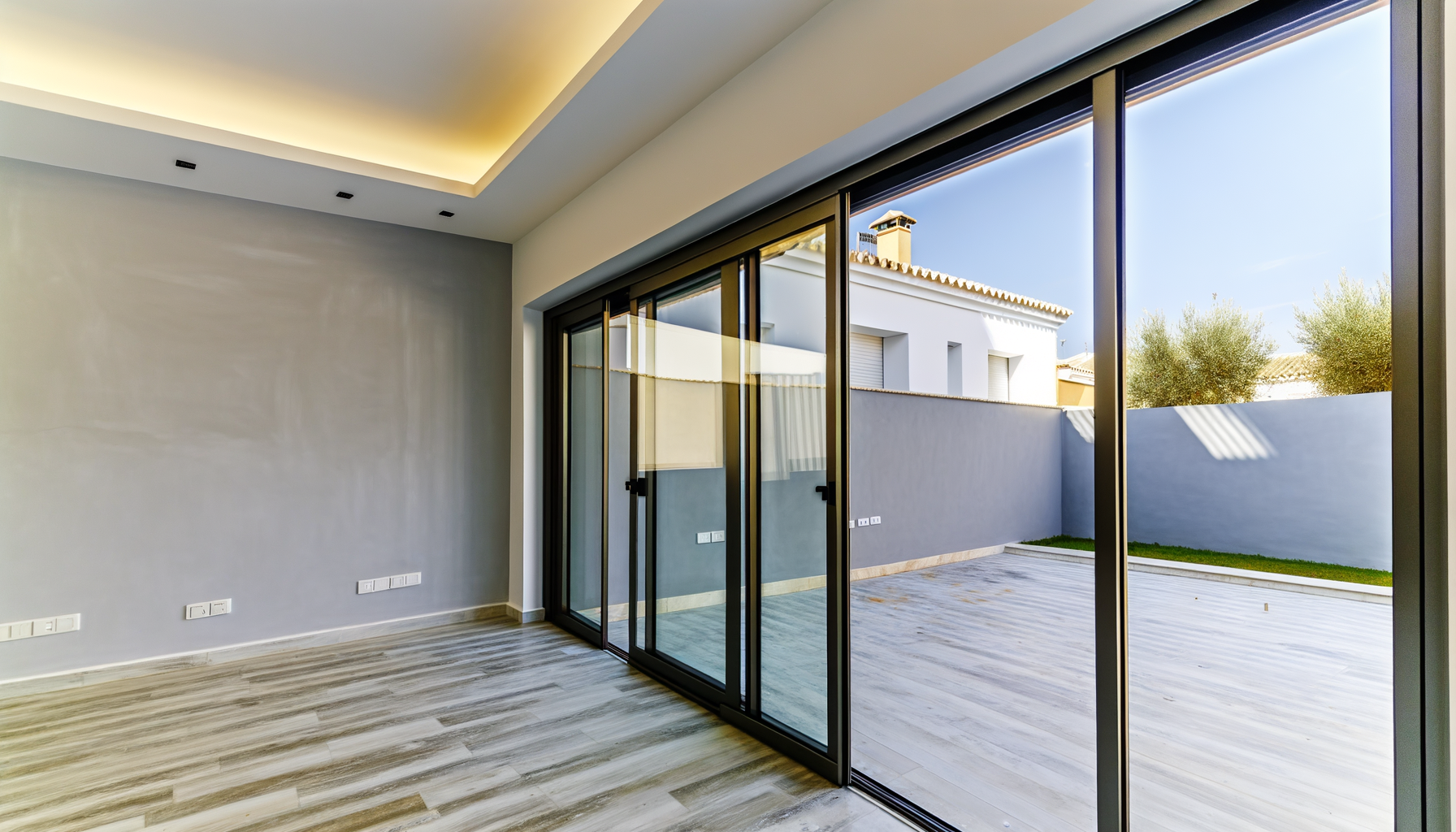
Aluminium Sliding Doors in Seville: 2025 Trends
Find out what’s changing for aluminium sliding doors in Seville in 2024–2025: new, higher-insulation profiles, stricter…
If you live in Granada and you’re thinking about installing (or replacing) an aluminum railing, the first step is to look at your space the way an installer would: a narrow balcony in a flat in Zaidín, a spacious terrace in a penthouse by the Realejo, an inner patio with damp? Because it’s not the same. Aluminum works very well here for a practical reason: it doesn’t rot or swell like wood does when it gets sun and then a proper downpour. And yes, in Granada we get both: summers that really bear down and weather changes that catch you with the laundry hanging out.
Before choosing a design, think about how you’ll actually use it. Do you have kids or a dog that leans into everything? Then you’ll want closer-spaced balusters or glass to avoid “adventures.” Do you want privacy because your terrace faces a neighbors’ courtyard? Then a mixed option (aluminum + panel) usually works well. And watch the measurements: a nice-looking railing that doesn’t fit properly is a source of noise, looseness, and scares. Better to measure twice than to fix it later.
Let’s get practical: design isn’t just aesthetics—it’s maintenance and cleaning. If you’re the type who hates cleaning, you’ll want something simple. For example, an aluminum railing with horizontal slats looks modern, but if it faces a dusty street, be prepared: each slat is a “ledge” for dirt. On the other hand, if you go with glass, it looks clean… until it’s covered in fingerprints. Sound familiar—that thing where you wipe it down and there’s always a streak left behind? There you have it. That’s why many people in Granada end up choosing a combination: an aluminum structure and laminated glass (safer in case of impact) or opaque panels in privacy areas.
Another real factor: wind. On high terraces, a very closed railing can act like a “sail” and transmit vibration if the fixing isn’t properly resolved. Here, the anchoring and the profile matter—not the pattern. Don’t hesitate to ask about profile thickness and fixing type (to the slab, side-mounted, with plates). If the installer dodges these details, that’s a bad sign. The good thing about aluminum is that you can fine-tune the finish (white, black, wood effect) without complicating your life later.
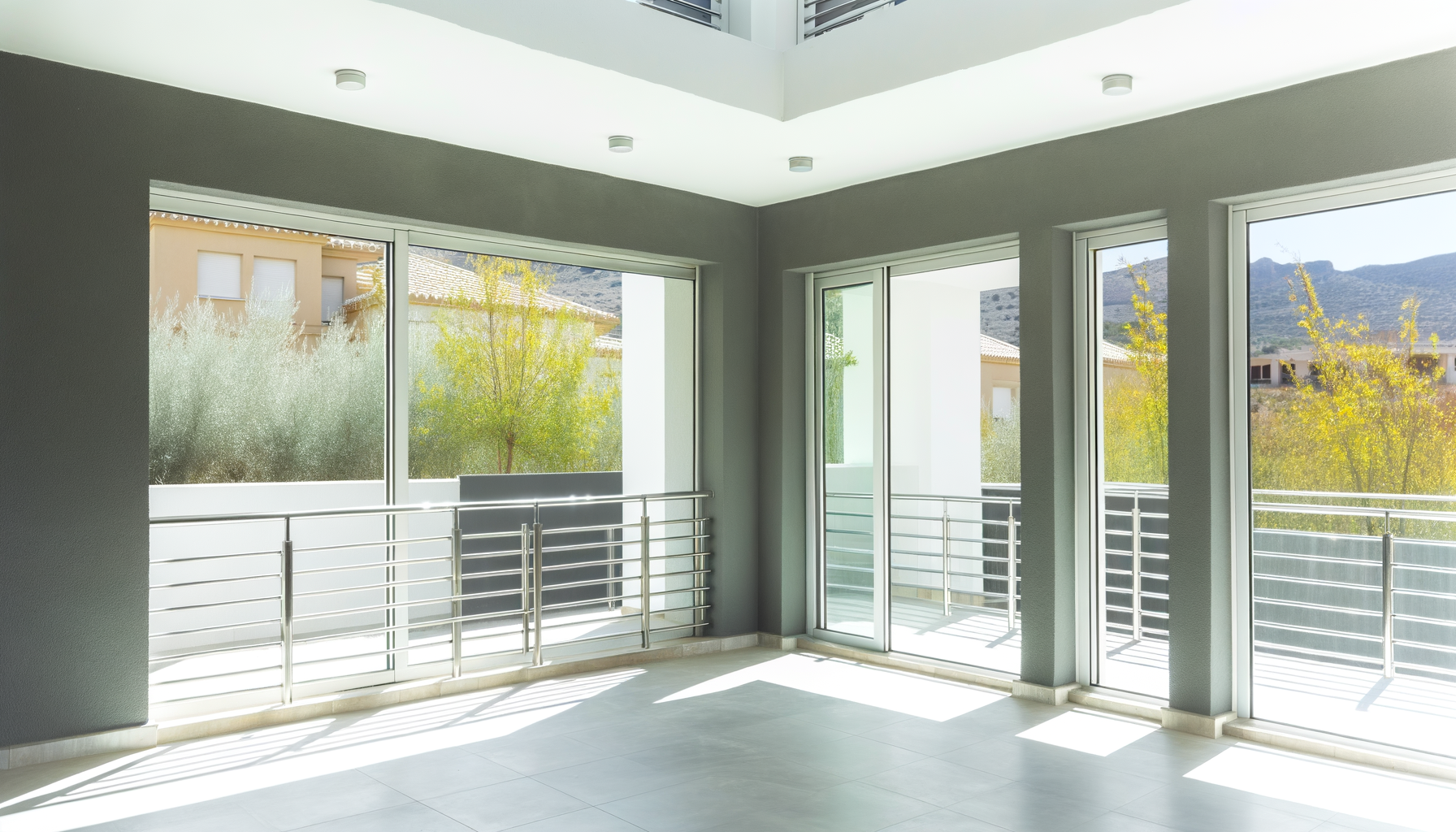
Let me tell you a typical scene: “The railing is perfect, but the neighbor says it doesn’t comply.” And then the mess starts. Before installing, ask about the minimum height and the spacing between gaps (especially if there are kids). You don’t need to become an expert, but you do need to be clear on the basics: safety first, and everything else after. If it’s a condo/community, there may also be aesthetic rules. In Granada this happens a lot in buildings with uniform façades: you change a railing and you end up with a neighbors’ meeting on your hands. Ideally, show a sketch or photo of the model and get it confirmed.
Typical mistakes I see: choosing very thin aluminum “because it’s cheaper,” using screws/fasteners that later rust (yes, even if the aluminum holds up, the hardware can ruin the whole setup), or not planning for floor drainage: if water stays puddled next to the base, stains and grime show up. So insist on stainless hardware and properly sealed finishing. And a friendly tip: ask them to explain how it’s going to be installed and where the anchoring points will go; if you understand it, it’s been planned properly.
Our team of experts is ready to help you with your aluminum carpentry project.