Recycled Aluminum Windows in Zaragoza: 2025
Discover the latest 2024–2025 updates in recycled aluminum windows: stricter energy-efficiency regulations, higher-perf…
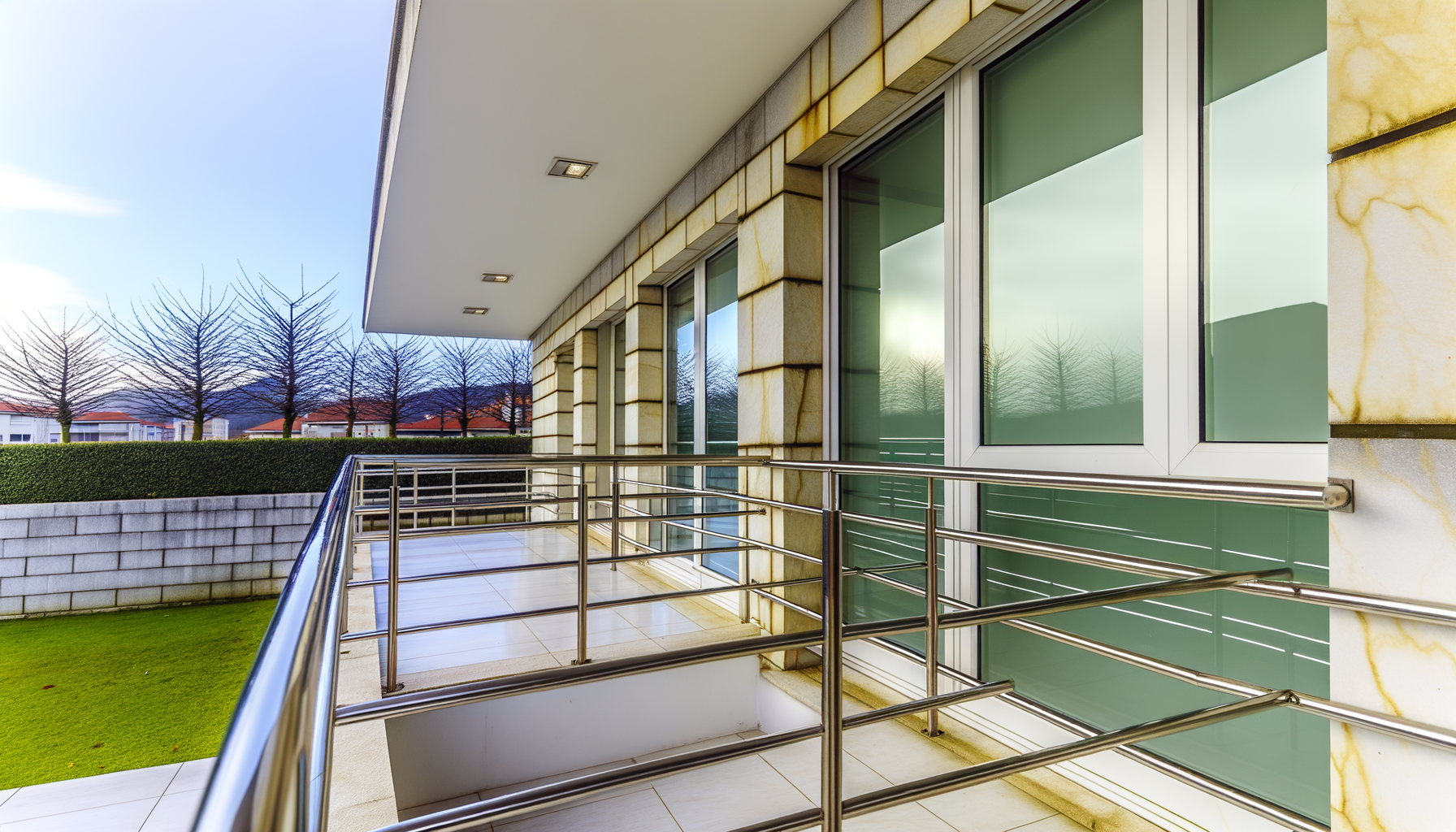
In Bilbao, you don’t buy an aluminum railing “just because.” The first thing is to look at the location: an open terrace with wind and rain spray, or a semi-sheltered balcony? A railing for a community building in Deusto (with kids and people leaning on it all day) isn’t the same as one for your penthouse where only you step out to water the plants. If there are children or pets, I’d go practical: spacing between balusters that doesn’t encourage climbing, and a comfortable handrail, with no sharp edges that leave your forearm marked.
Then there’s the finish. In Bilbao, with so much humidity, choose powder coating (it holds up better to wear and tear and is easier to clean) and a color that won’t tie you down: white and anthracite usually hide daily use well. And watch out for “cheap”: a railing can look the same the first month, but if the installation is borderline or the anchors aren’t the right ones, after two winters the little noises and looseness start. Ask about the type of fixing and where the water gets in; that’s where it’s decided whether it’ll last you for years or give you trouble.
I’ll tell you a classic one: someone buys the railing, they install it “quickly,” and at the first storm in Miribilla it starts to vibrate. It wasn’t the aluminum itself—it was the whole setup: posts with too small a section, so-so screws, and anchoring with no sealing. When you talk to the installer, get straight to the point: what fasteners they use (stainless steel), how they finish the joints, and whether they fit gaskets or end caps where needed. It’s not for show—when water finds a gap, it gets in and ends up leaving stains, play, or even rust on parts that shouldn’t rust.
Also ask about the “real-life design” day to day: if you lean on it to look at the street, is the handrail comfortable? If you have planters, is there room to move them without scuffing the powder coating? And if it’s a shared building, how do you clean it without the neighbor on the first floor ending up soaked? A well-thought-out railing doesn’t force you to be super careful; it just works. Oh—and ask them to make the maintenance clear: which product is OK and which isn’t. That one minute of conversation saves you scouring pads, scratches, and frustration.
Aluminum, when treated well, is grateful: it doesn’t ask for weird rituals. In Bilbao, with rain and dust in the air, I’d do this: every 1–2 months, a quick wipe with warm water and mild soap (dishwashing liquid), a soft sponge, and a rinse. No green scouring pad or “miracle” shine products: that’s where the micro-scratches start. If you see black marks in corners, it’s usually built-up dirt or stagnant water; dry with a cloth and check that you have clear drainage (yes, those little slots count). In very exposed areas, a light coat of car wax on the powder coating can help keep dirt from sticking so much.
What damages a railing most isn’t the weather—it’s misuse: hanging planters with hooks that bite into the profile, leaning bikes so they rub, or using bleach because it “disinfects.” If you need to clean something stubborn (sap, paint), try isopropyl alcohol first in an inconspicuous corner. If the coating gets scratched, don’t cover it with random enamel; ask for a compatible touch-up product. And once a year, tighten any accessible screws and check sealants. It’s 10 minutes and you avoid the classic “it didn’t used to wobble.”
Our team of experts is ready to help you with your aluminum carpentry project.