Aluminum Insect Screens in Murcia: Selection & Maintenance Guide

Feb 23, 2026
3 min read
Aluminum Carpentry
Aluminum Insect Screens in Murcia: Selection & Maintenance Guide
Learn how to choose aluminum insect screens (sliding, roller, or fixed) based on your windows and everyday use. Includes maintenance tips to keep them gliding smoothly, prevent warping, and extend their lifespan, plus quick mesh comparisons and answers to common questions.

Why in Murcia is a mosquito screen not “optional”?

Why in Murcia is a mosquito screen not “optional”?

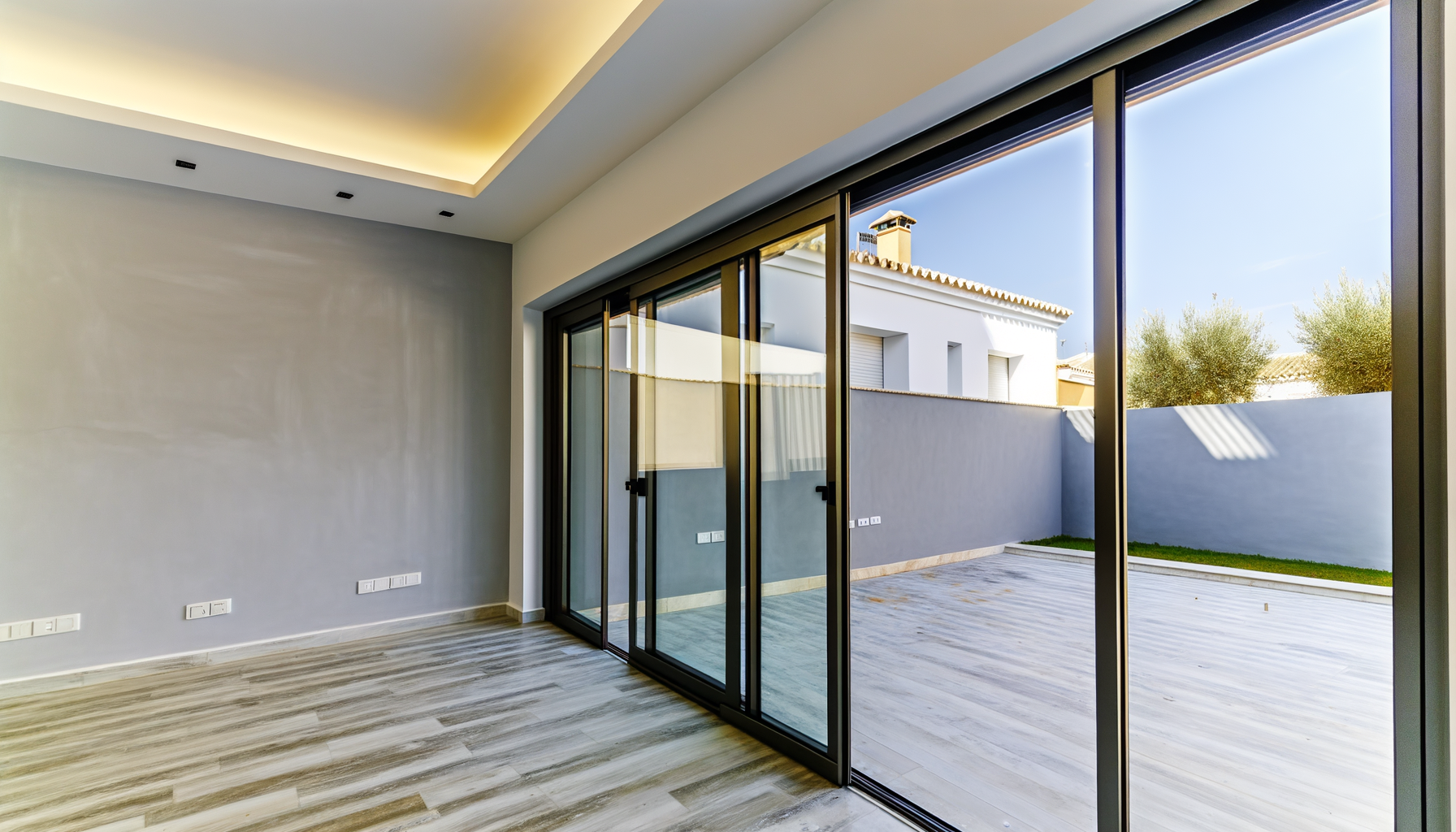
In Murcia, when the heat kicks in, the mosquitoes show up too (and those tiny little bugs you don’t even see until they bite). And of course, you want to air out the house at night without turning the living room into a landing strip. That’s where aluminum mosquito screens make sense: they hold up to the wear and tear of summer, they don’t warp in the sun like some plastic ones, and if you live in an area with wind or dust, you can clean them without any drama. Picture a typical scene: you open the balcony door in June, a little breeze comes in… and before long you’re swatting at the air. With a sliding screen or a roller screen, that’s over. The sliding one is great for patio doors because it’s “on and off” with one gesture; the roller one is convenient on windows you use every day. And watch this practical detail: a good, well-fitted mosquito screen also helps keep dust and pollen from blowing in like crazy, which in Murcia you really notice. It’s not magic, but you’ll appreciate it when you clean less and breathe better. If your window doesn’t close smoothly or it rubs, the mosquito screen gives it away quickly: wherever there’s a gap, they’ll get in.

Quick maintenance (the real kind): 10 minutes and done

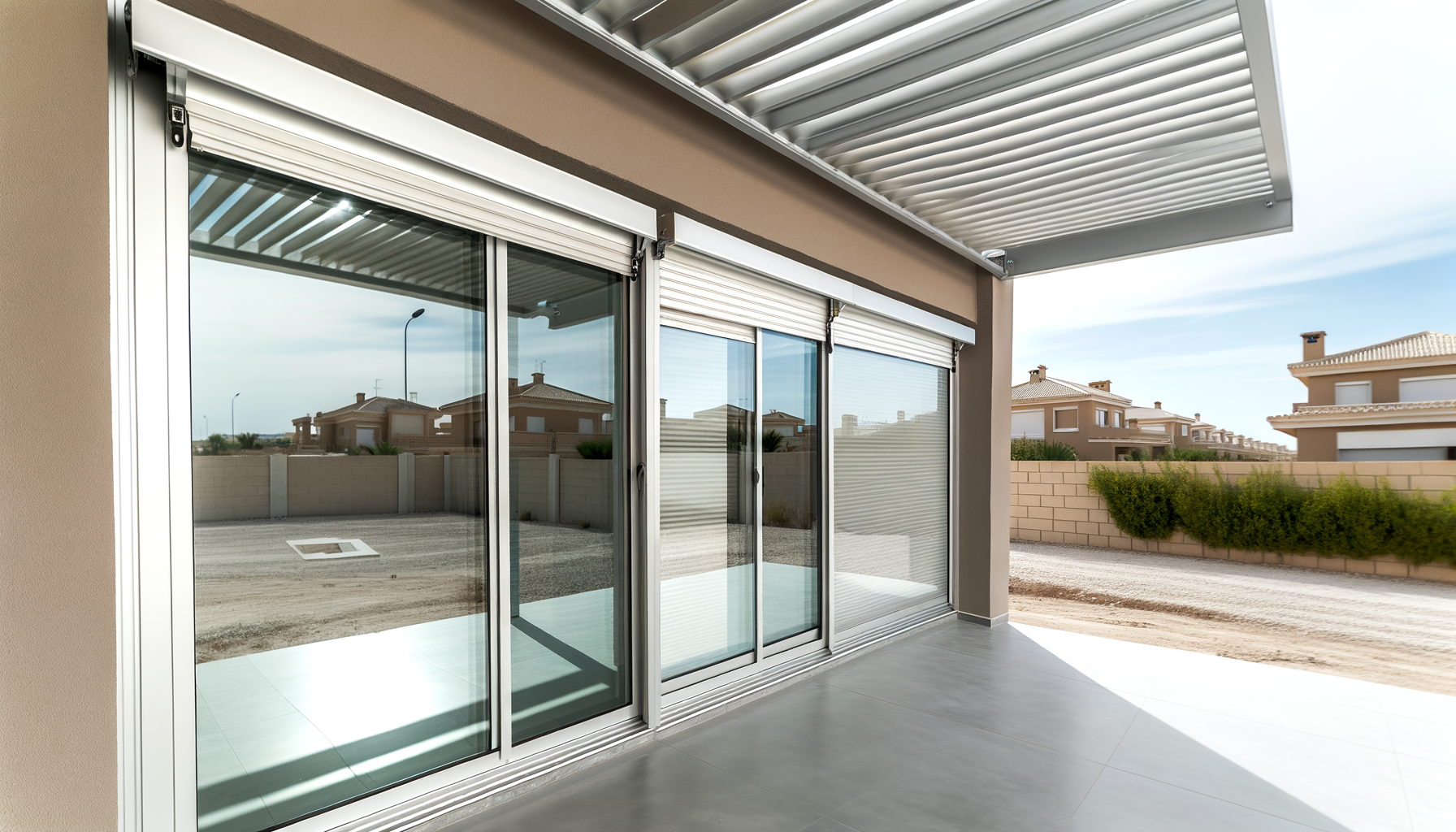
Maintenance isn’t complicated, but there are a couple of things that really make the difference. If it’s a retractable one, first things first: lower the mesh and wipe it with a barely damp microfiber cloth. Don’t soak it, or it’ll end up looking bad. If there’s grease or stuck-on dirt (near the kitchen, for example), add a drop of mild/neutral soap and rinse with another cloth. On sliding screens, what usually fails isn’t the mesh but the track: it fills up with gritty sand and the screen starts moving “in jerks.” A friendly tip: vacuum with a narrow nozzle, then use a small brush, and if you want, finish with a cloth. Avoid oils like 3-in-1, because they trap dust and in the end it works worse. Better a very light silicone spray on the bearings if you notice noise. And if you’re in more humid coastal areas (Cartagena, San Pedro), check once a month that little black specks aren’t forming on the mesh: warm water and soap will stop it in time. If the mesh sags, it’s almost always tension or dirty guides, not a “bad screen.”
Typical problems and how to fix them without losing your mind

I’ll tell you the three classics I see all the time. One: “mosquitoes are slipping in on one side.” Almost always it’s because the screen doesn’t sit tight in the corner or the track is slightly open. Check if there’s any play by sliding in a sheet of paper: if it goes through easily, anything can get in there. Fix: adjust the stops, reposition the track, or replace the brush seal/weatherstrip if it’s crushed. Two: “the slider is stiff.” Here, 80% of the time it’s a dirty track or worn wheels. Clean it thoroughly, test it, and if it’s still the same, replacing the rollers/bearings is cheap and you’ll notice it feels like day one. Three: “the roller screen jams when going up.” This is usually a misaligned mesh or dirt in the cassette. Pull it all the way down, clean the sides, and raise it while guiding it with your hand (don’t yank hard). If you notice the spring jerking, that’s when it’s worth having someone check it, because tightening it wrong is a recipe for it to snap back like a whip. Practical tip: before the summer peak, do a quick check; in July, at 35°C, nobody feels like taking anything apart.

Need professional advice?

Our team of experts is ready to help you with your aluminum carpentry project.