Aluminium Sliding Doors in Seville: 2025 Trends
Find out what’s changing for aluminium sliding doors in Seville in 2024–2025: new, higher-insulation profiles, stricter…
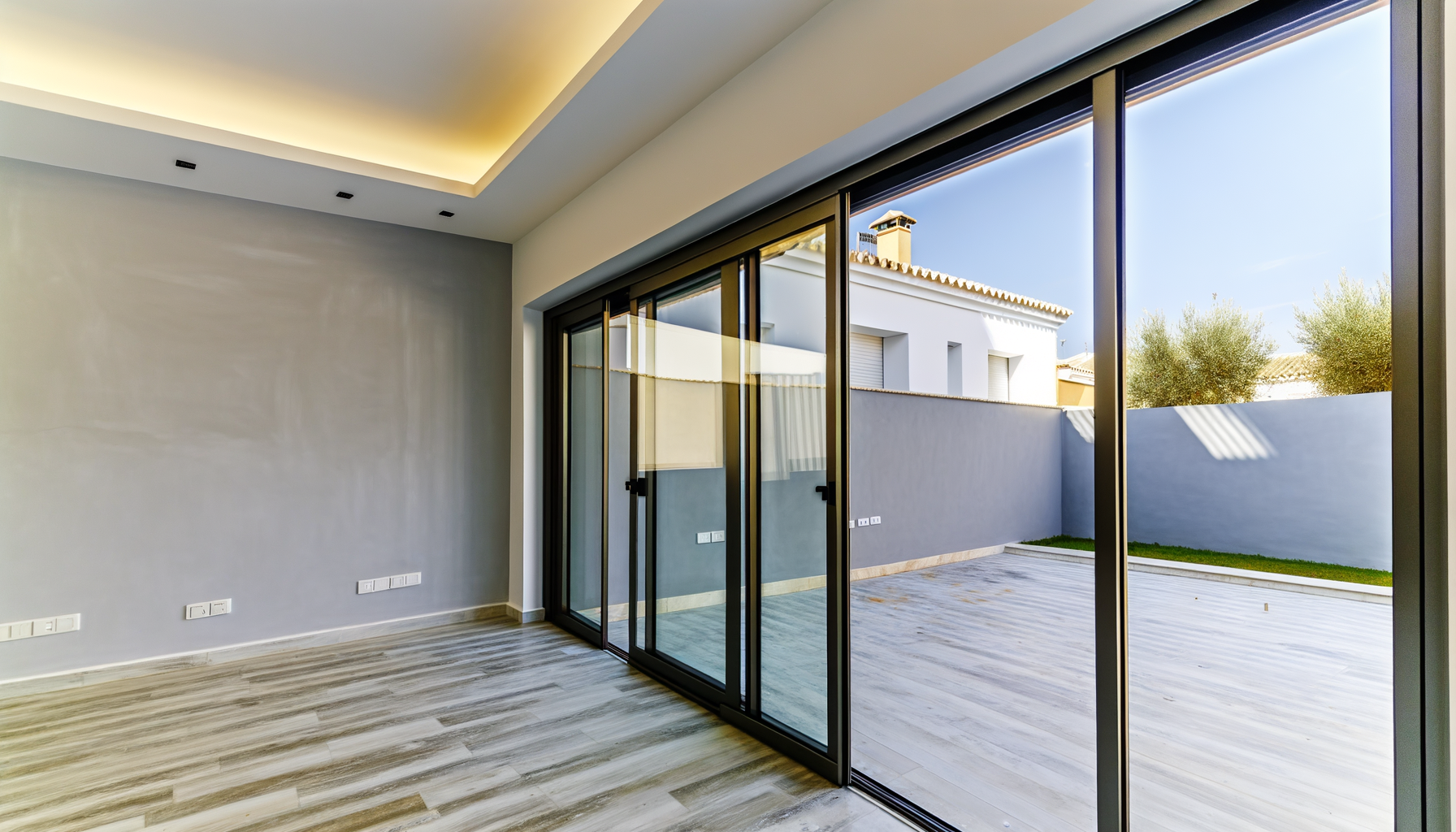
An aluminum enclosure, put plainly, is turning a “half-use” space (terrace, balcony, porch) into a place you can truly use. In Barcelona you notice it fast: one day you’re in short sleeves and the next a wind-driven downpour soaks your table. Sound familiar? With a well-thought-out enclosure you gain square meters you actually use: a nook for remote work, a place to hang laundry without everything smelling damp, or simply an extra dining area without constantly checking the weather forecast. The classic examples: in an Eixample flat, an enclosed gallery can become the “laundry room” you never had; in Poblenou, a terrace exposed to salty sea air benefits from a system that won’t rust at the first sign of trouble. And this is where aluminum really shines because it doesn’t swell or rot like other materials, and it holds up well to daily use (chair bumps, kids leaning on it, shutters going up and down). Just one thing: rather than “enclosing for the sake of enclosing,” what matters is that the system fits your orientation, the wind, and your real use (a balcony for plants isn’t the same as an extra living room).
The “trivial” but key part: problems almost always come from silly little details. For example, condensation. If you enclose a terrace and suddenly start showering, cooking, or drying clothes there, the steam sticks to the glass as if you lived inside a fish tank. A practical solution? Ventilate even if you can’t be bothered: open up for 10 minutes in the morning and at night, and if you can, leave a micro-ventilation setting. Another Barcelona classic is noise: motorbikes, buses, neighbors. It’s not magic, but good glazing and proper seals cut the “background hum” quite a bit; if you’re enclosing it to gain quiet, don’t go for the bare minimum or you’ll regret it later. And the hardware… that’s where you can tell whether the enclosure is well installed. If a sliding door feels stiff from the first month, it’s not “normal”: it’s usually dirt in the track, misalignment, or loose rollers. Think of it like a car door: if it doesn’t close smoothly, something’s wrong. Check locks, seals, and wheels once a year and you’ll save yourself nasty surprises (and emergency calls) when the first serious storm hits.
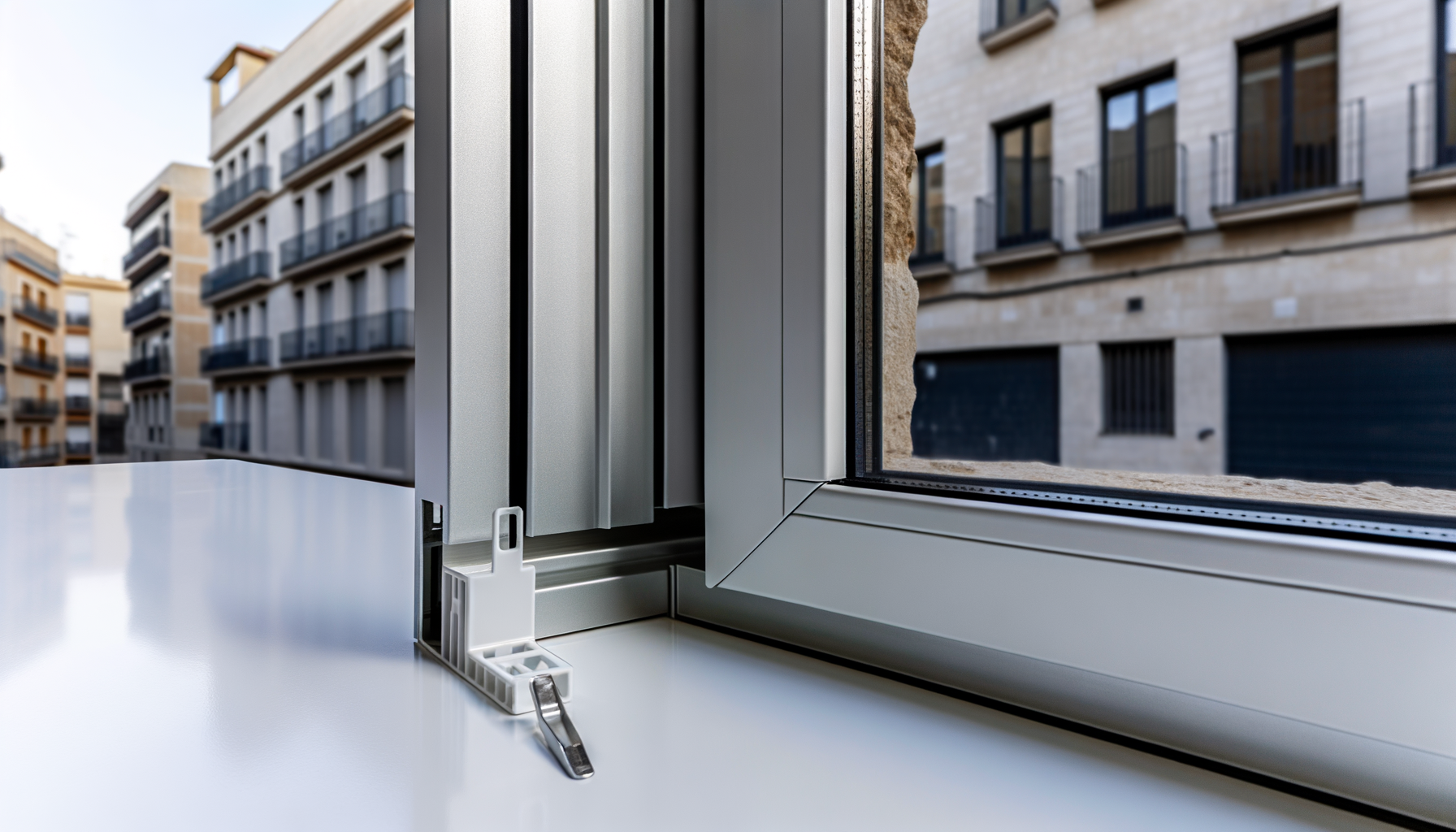
Aluminium is grateful, but not indestructible. In areas close to the sea (Barceloneta, Diagonal Mar), the salt spray sticks to it and, if you leave it for months, it ends up “eating away” at the finish through wear. The practical approach: warm water + pH-neutral soap, a soft cloth and you’re done; no green scouring pads or abrasive products, which leave micro-scratches and then it gets dirty faster. In the tracks of sliding windows/doors, run the vacuum and a brush through once a month if there’s dust; if you have pets or plants, you’d be surprised how much soil falls in there. And a very simple habit that works: when it rains with wind, dry the lower profile at the end of the day; you avoid stains and grime getting “baked” into the joint. Seals and silicone? Check for cracks or areas that have come loose: if water gets in, don’t wait for the typical damp ring to appear on the wall. Touching up the sealing in time costs little and prevents expensive damp problems. In the end it’s like taking care of a bike: two small gestures a month and it lasts for years without drama.
Our team of experts is ready to help you with your aluminum carpentry project.