Smart Aluminium Windows in Málaga: 2025 Trends
Discover the latest 2024–2025 innovations in smart aluminium windows in Málaga: sensors, mobile app control, and improv…
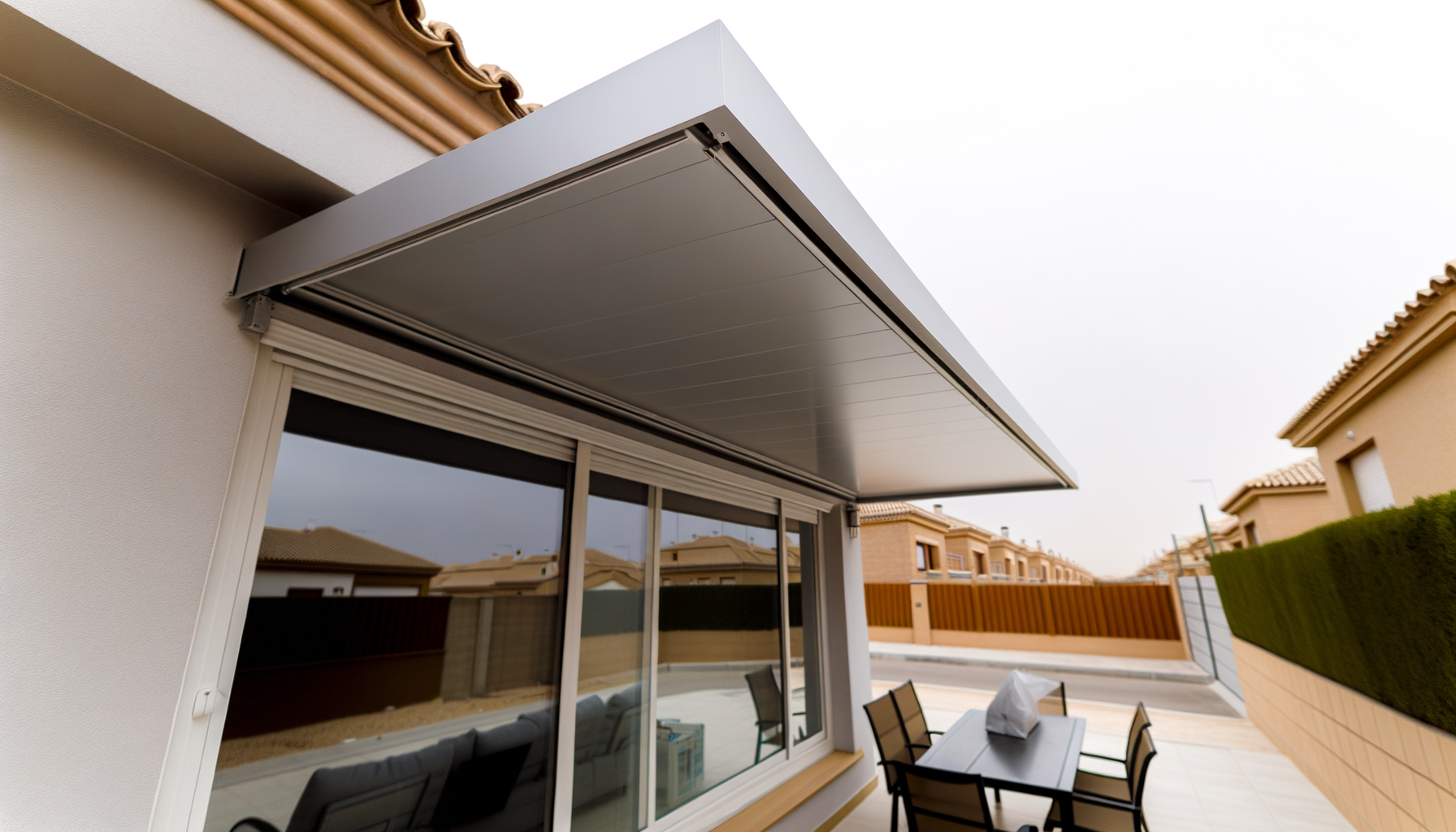
In Murcia, the sun shows no mercy, so when you start looking at aluminium awnings, the first thing is to think: what do you really want it for? It’s not the same to shade a small window in a flat in La Flota as it is to cover a terrace where you eat every day in El Palmar. If it’s for a terrace, look closely at the frame: aluminium is a good choice because it doesn’t rust and holds up well to hot air, dust, and temperature swings. But be careful—“aluminium” doesn’t mean it’s all the same: ask about the thickness and the finish (powder coating), because you’ll notice the difference after two summers when the awning is still solid or starts to “wobble” in the wind.
Another practical point: manual or motorized? If you’ve got a balcony you step out onto all the time, a motor saves you from cranking the handle up and down, but make sure it has a wind sensor if your area gets strong gusts; it’ll save you scares and torn fabric. And before you pay, measure properly: projection, height, and whether a streetlamp or railing gets in the way. Get it wrong by a couple of centimeters and you’ll be trimming or repositioning anchors.
Maintaining an aluminum awning in Murcia is easier than it looks, but there are two habits that save you money. First: regular cleaning. Between calima haze, pollen, and that fine dust that gets into everything, if you leave it for months, the fabric goes “stiff” and the mechanism suffers. Once a month (or every two if it doesn’t get much exposure), wipe it down with water and neutral soap using a soft sponge. No blasting it wildly with a high-pressure hose: you can lift seams or strain an arm. And if it ever rains muddy water, then yes: clean it as soon as possible, because those stains later stick like tattoos.
Second: check the screws and pivot points. A squeak when opening isn’t “normal”—it’s a warning. A little lubricant on the joints (without soaking them) and making sure the screws haven’t loosened due to heat expansion will prevent the awning from going out of alignment on a windy day. If you have a motor, check the wiring and the housing: if moisture gets in, the failure will come when you need it most (right at midday in August). And one common-sense detail: if there’s strong wind, retract it; the aluminum holds up, but the fabric and arms have their limit.
I’ll tell you what usually happens: one day you notice the awning doesn’t close all the way, one side sits a tiny bit lower, and you think “meh, I’ll look at it later.” In Murcia, that often starts with dirt in the tracks, an arm with uneven tension, or an anchor that has slipped by a millimetre. Quick fix? First clean and test; many times, just removing grit from the mechanism makes it run smoothly again. If it’s still crooked, don’t force it—because that’s when you tear the fabric or bend an arm. The key is to spot whether the issue is adjustment-related or structural: if there’s play in the brackets, it’s time to tighten or replace the plug/anchor depending on the wall.
Another classic: the fabric sags and water pools if there’s a heavy downpour. That’s not “bad luck”—it’s usually due to too little pitch or loose tension. Adjusting the angle may be enough, and it’s a real improvement: water is weight, and weight takes its toll. And if you live near the coast (like around San Pedro del Pinatar), add an extra check for salt air: aluminium holds up well, yes, but it’s a good idea to rinse the frame from time to time. If the awning makes strange noises, rubs, or the motor stops halfway, then it’s worth having a technician look at it before a repair turns into a replacement.
Our team of experts is ready to help you with your aluminum carpentry project.