Aluminium Sliding Doors in Seville: 2025 Trends
Find out what’s changing for aluminium sliding doors in Seville in 2024–2025: new, higher-insulation profiles, stricter…
In Bilbao, enclosing a terrace isn’t usually a whim: it’s survival. Think of that typical day that starts out fairly decent, you hang out a T-shirt and, without warning, sirimiri falls and leaves it as if you’d dunked it in a bucket. That’s where an aluminium enclosure changes the game—but only if you’re clear about what you want it for. An extra dining room? A corner to work from home without freezing? Or simply to stop using the terrace as an improvised storage room? For each case, a different solution makes sense: it’s not the same to want to gain usable square metres as it is to aim to block the wind and rain. And watch out for the “I’ll just close it and that’s that”: if you use it as an office, you’ll want good insulation; if you want it for hanging laundry or storing bikes, you might prioritise ventilation and opening clearance. The practical thing: make a list of 3 real uses, in order. Otherwise, you’ll end up with a nice-looking enclosure… but one that gets in your way when opening, cleaning, or mopping.
When someone tells me “I want aluminum because it doesn’t deteriorate,” I reply: fine, but aluminum is only half the story. In Bilbao, the winning combo is usually thermal-break framing + decent glass. Otherwise, in winter the usual thing can happen: you’re inside in a long-sleeve shirt, you get close to the window and feel that cold that kills the vibe; and if you cook nearby, condensation shows up and you end up wiping it down every other minute. A real example: a north-facing terrace in Deusto, enclosed with basic sliding doors and thin glass; result: less water gets in, yes, but the space is still a “cold zone” and in the end they only use it for storage. On the other hand, with good insulation, that same terrace becomes a dining area where you can have dinner without seeing your breath. And one important point: it’s not all about insulating as much as possible; if you’re going to dry clothes indoors, you need ventilation or you’ll end up with a damp smell. The sensible approach is to strike a balance: insulation where you feel it (frames and glass) and airflow where you need it.
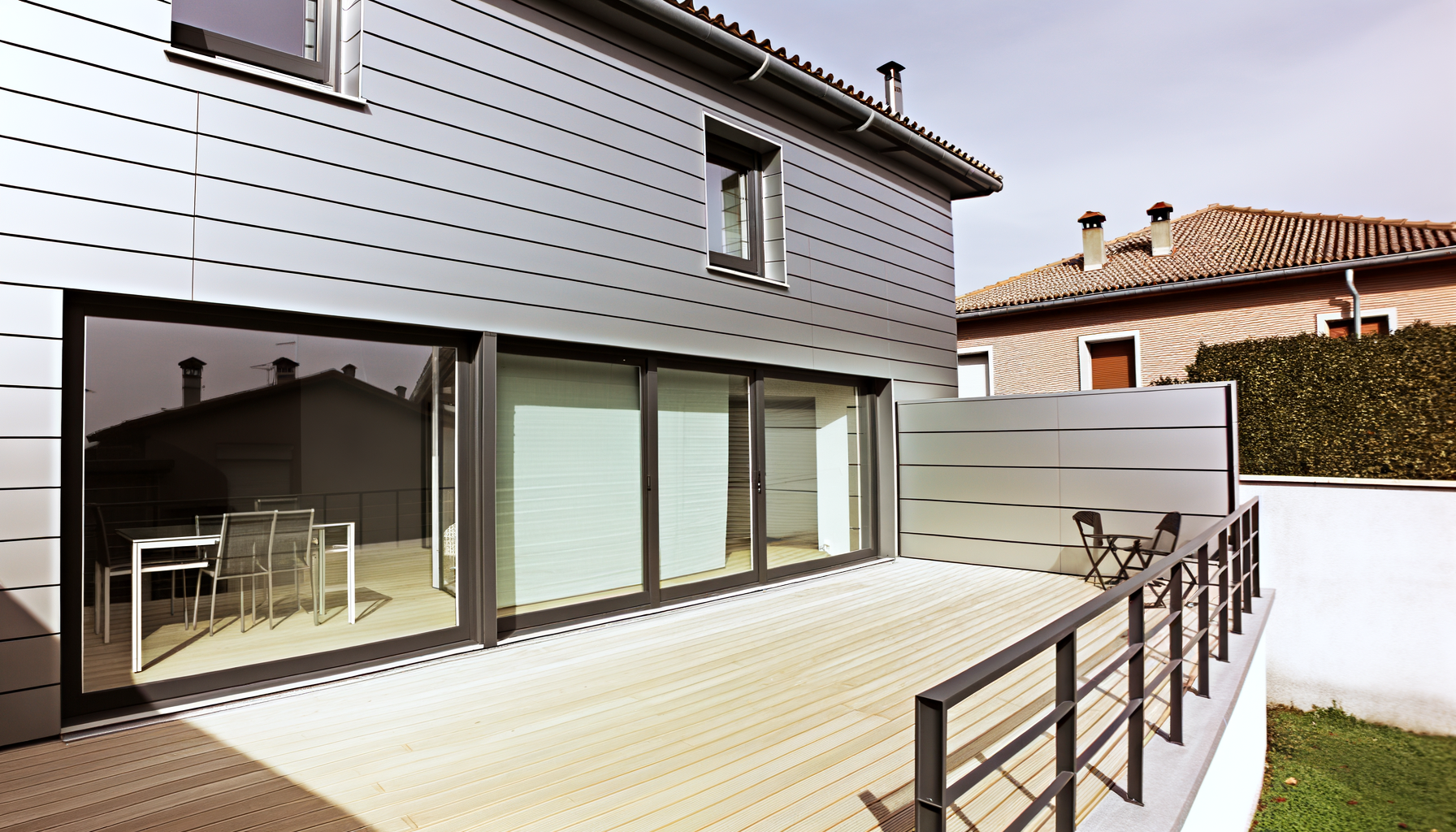
Choosing the type of opening is more important than it seems. Sliding systems are great if you don’t want to take up space, but it’s also true they never open 100%: if you’re dreaming of a “wide-open terrace in summer,” a folding system or hinged leaves might suit you better, depending on the opening. Ask yourself this: how are you going to get the table, the bike, or the groceries through? Because if you install a poorly thought-out frame, every time you walk in carrying bags you’ll remember it. Another point: in Bilbao, dirt sticks (drizzle + dust), so consider access for cleaning and tracks that aren’t a dirt magnet. And yes, the “silly details” are what rule: a good silicone seal where it’s needed to prevent leaks at joints, a proper drip edge, and well-resolved drainage so water doesn’t pool in the track. Classic example: a beautiful enclosure, but the drain clogs, a little pool forms in the rail, and when you step on it, it splashes inside. The practical takeaway: ask them to explain how it’s cleaned, where it drains, and which parts can be replaced if they wear out.
Our team of experts is ready to help you with your aluminum carpentry project.