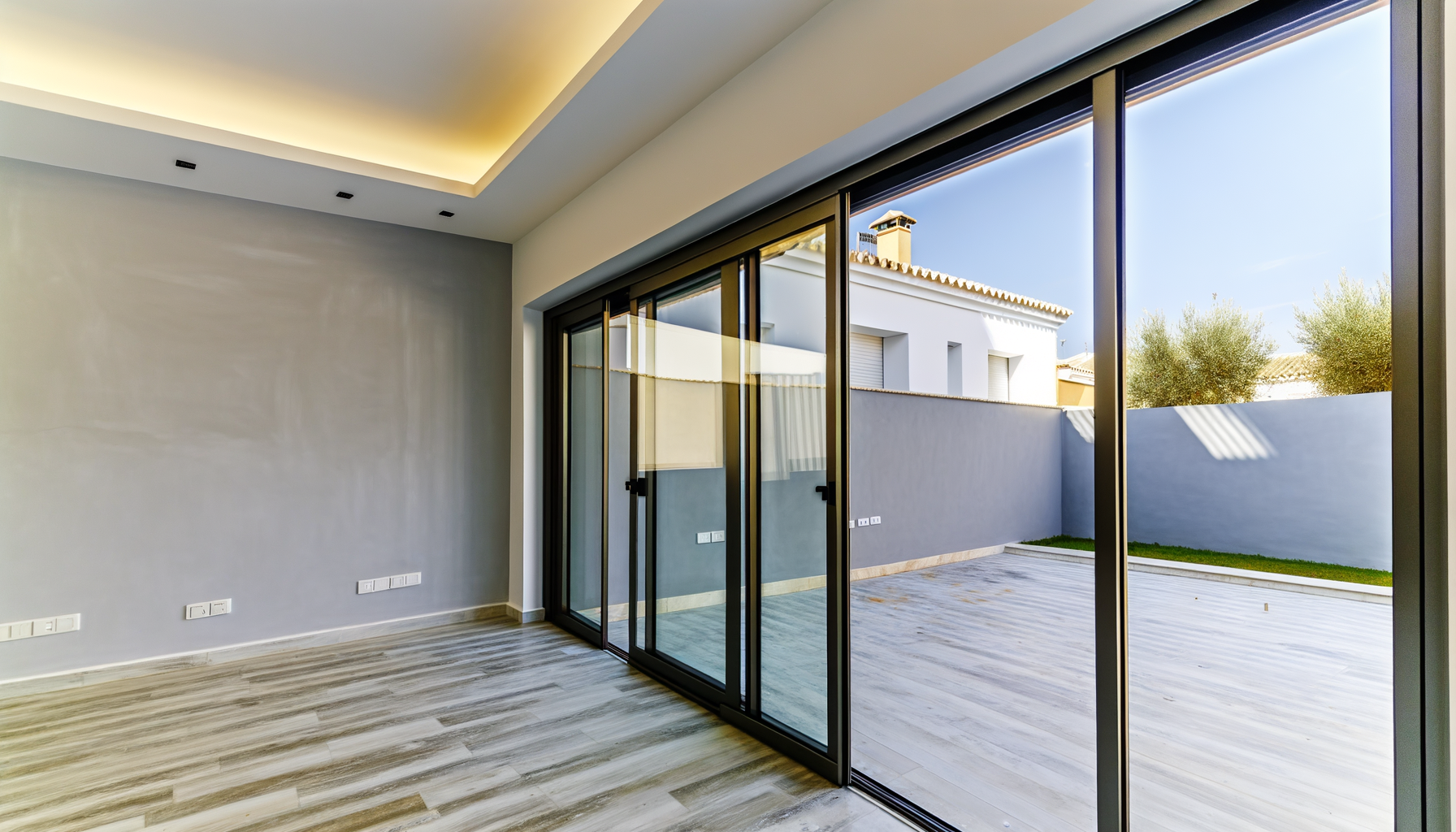
Aluminium Sliding Doors in Valencia: Selection Guide and Maintenance

Feb 19, 2026
3 min read
Aluminum Carpentry
Aluminium Sliding Doors in Valencia: Selection Guide and Maintenance
Learn how to choose aluminium sliding doors for your home in Valencia: profiles, thermal break (RPT), glass types and hardware. Includes quick comparisons, a purchase checklist, and maintenance tips (rollers, tracks and weatherstrips) to ensure smooth sliding and an airtight seal.

What to check before saying “these sliding doors are terrible”

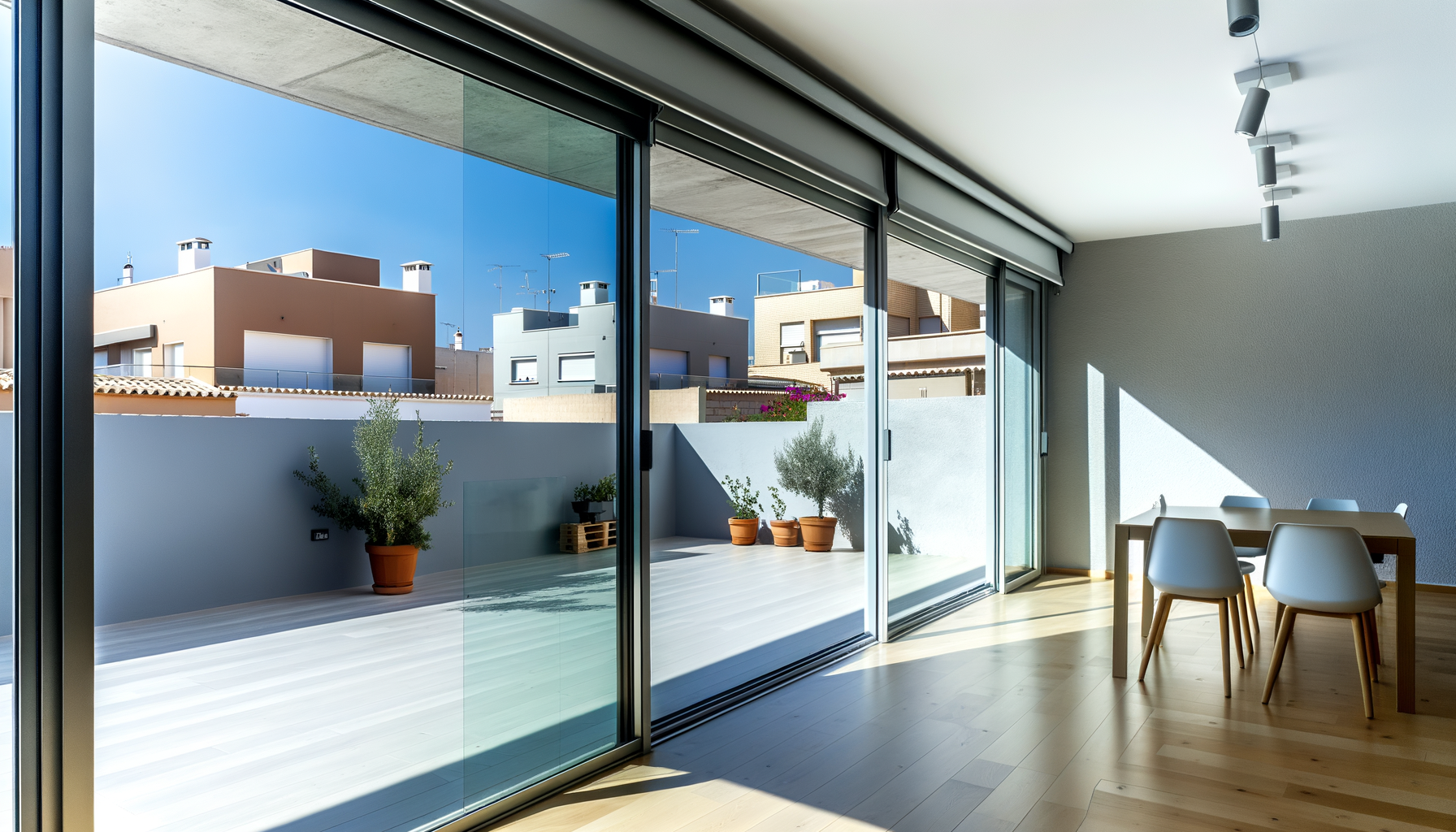
If you have aluminum sliding doors in Valencia, it’s normal that one day you’ll notice the sash “scrapes,” that it’s hard to close, or that air gets in through a corner. And of course, you think: could it have warped? Sometimes yes, but many times it’s something simpler: dirt in the track, misadjusted rollers, or a weatherstrip that no longer does its job. Think of a home near the beach (Malvarrosa, El Saler…): the breeze brings salt and fine sand, and that mix gets into the rail like sandpaper. The result? The sash slides stiffly and the roller takes a beating. Another classic: people sweep and “push” the dust toward the bottom guide, and it stays there. If the slider has a multipoint lock, it can also happen that the latch doesn’t engage smoothly and forces you to press harder than you should. The practical takeaway: before touching any screws, open and close it slowly and listen. Does it sound like rubbing at the bottom? Check the track. Does it sag a bit at the end? Most likely it needs a height adjustment.

Simple maintenance (the kind you really notice when closing)

I’m giving you a routine that works and won’t steal your morning. First, clean the track: vacuum with a narrow nozzle and then a damp cloth; if there’s stuck-on grease, a drop of mild soap and you’re done. Don’t use “3-in-1” type oil on the track: at first it seems like magic, but then it turns into a magnet for dust and you end up worse off. If you want to lubricate, a silicone spray is better—use a small amount, and only where it’s needed. Second, check the rollers: many sliding doors have tiny adjustment screws on the bottom edge; with a screwdriver you can raise or lower the panel by a few millimeters. Do you notice it rubbing on one side? Adjust little by little and test, like when you align a cabinet door. Third, look at the weatherstripping: if it’s flattened or cracked, that’s where air and noise get in. New weatherstripping improves comfort more than “closing harder” ever will. And if you have a sliding mosquito screen, clean its track too: it’s the first thing to swallow lint.

When it’s real wear and it’s worth calling a professional

When it’s real wear and it’s worth calling a professional

There comes a point when it’s not “lack of cleaning”, it’s wear. If when moving the sash you notice little jolts, as if the wheel goes “clack-clack” along a section, it’s usually a flat-spotted or broken wheel. In Valencia this happens a lot on doors that are used all day: terraces, inner patios, exits to the utility gallery… Another symptom: the track is marked, with a groove worn into it; at that point, no matter how much you clean, it will keep working poorly because the wheel no longer rolls—it drags. Also watch out if the sash feels heavy or out of square: a large double-glazed unit and an aluminum sash can weigh quite a bit, and forcing it ends up breaking bearings or throwing the latch out of adjustment. Does that “I push it and at the end I have to lift it a little” sound familiar? That’s the typical sign. If the sliding door won’t close without force, don’t leave it: you’ll strain the latch and end up replacing more parts. A professional can replace the wheels, adjust it, check the stops, and leave the sash running smoothly in one visit—no gimmicks or quick fixes.
Need professional advice?

Our team of experts is ready to help you with your aluminum carpentry project.