Aluminium Enclosures in Seville: Buying Guide and Maintenance Tips

Ene 04, 2026
3 min read
Aluminum Carpentry
Aluminium Enclosures in Seville: Buying Guide and Maintenance Tips
Learn how to choose the ideal enclosure (sliding, casement, or folding) based on usage, insulation needs, and budget. Includes a buying checklist, a comparison of hardware and glazing options, and practical maintenance tips to prevent noise, looseness, and leaks. We answer the most common homeowner questions.

Buy without getting tangled up: what to check before enclosing a terrace

Buy without getting tangled up: what to check before enclosing a terrace

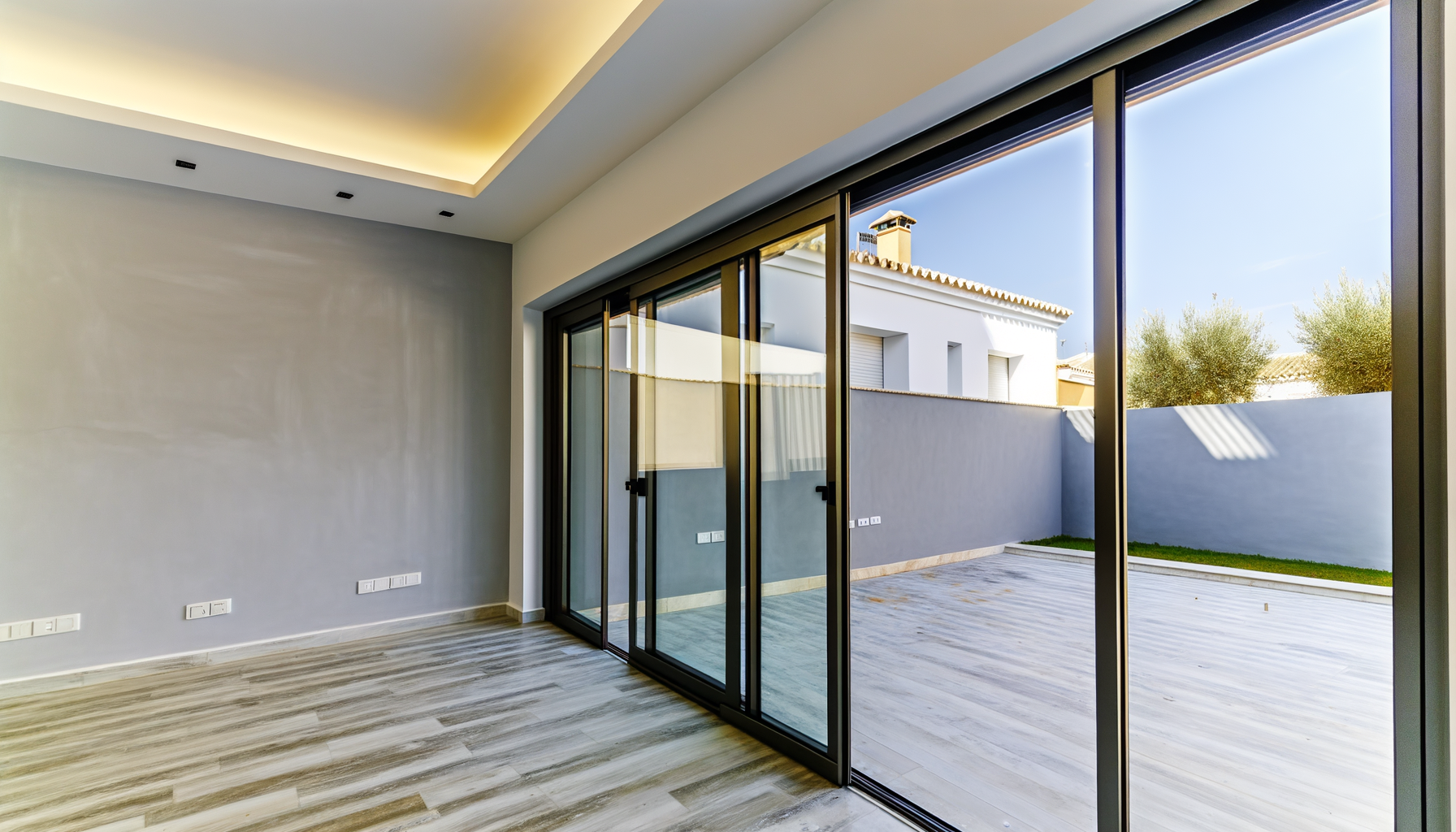
If you’re in Seville and the idea of enclosing your terrace is on your mind, the first thing is to ask yourself: do you want it to gain an “extra room,” or just to keep out wind and dust? It’s not the same. For a space you’re going to use every day (remote work, play area, reading nook), focus on two very specific things: thermal break and the type of glass. Here in summer the sun hits hard; with double glazing and solar control, you notice it in the air conditioning bill—and it’s not theory: it’s that moment when you walk in and you don’t get slapped by the heat. Also think about the opening system: sliding doors to save space, or hinged (casement) ones if you want a tighter seal. And watch out for the “I like it because it looks sleek”: very slim profiles can look great, but if they end up vibrating in the wind or not closing properly, you’ll regret it. A real example: a neighbor enclosed theirs with a cheap sliding system and by the first winter they had condensation on the panes. What was missing was a good combination of glass and gaskets, not “more aluminum.”

Details You Notice Later: Noise, Dust, and the Famous Albero

In Seville, amid motorbikes, traffic, and that fine dust that seems to appear as if by magic, you buy an enclosure to live more comfortably, not to make your life harder. If your street is noisy, ask about acoustic glass (not just “double glazing”): it makes a huge difference when you’re watching TV or trying to take a siesta. And if your problem is dust, what really makes the difference isn’t the thickness of the aluminum, but properly fitted seals and brush strips and a closure that clamps down evenly. Think of it like a fridge: if the door doesn’t seal, it doesn’t matter how good it is inside. Another practical point: mosquito screens. It seems like a small thing until night falls and you want to ventilate without inviting half the local wildlife in. And while we’re at it, check how they’re going to finish the junction with the floor and the walls: poor sealing ends up letting in leaks when those rains come that are rare here… but when they arrive, they arrive for real. The good thing about aluminum is that it holds up, but it’s the installation that saves you headaches.

Easy care: 15 minutes and you’ll save yourself years of problems

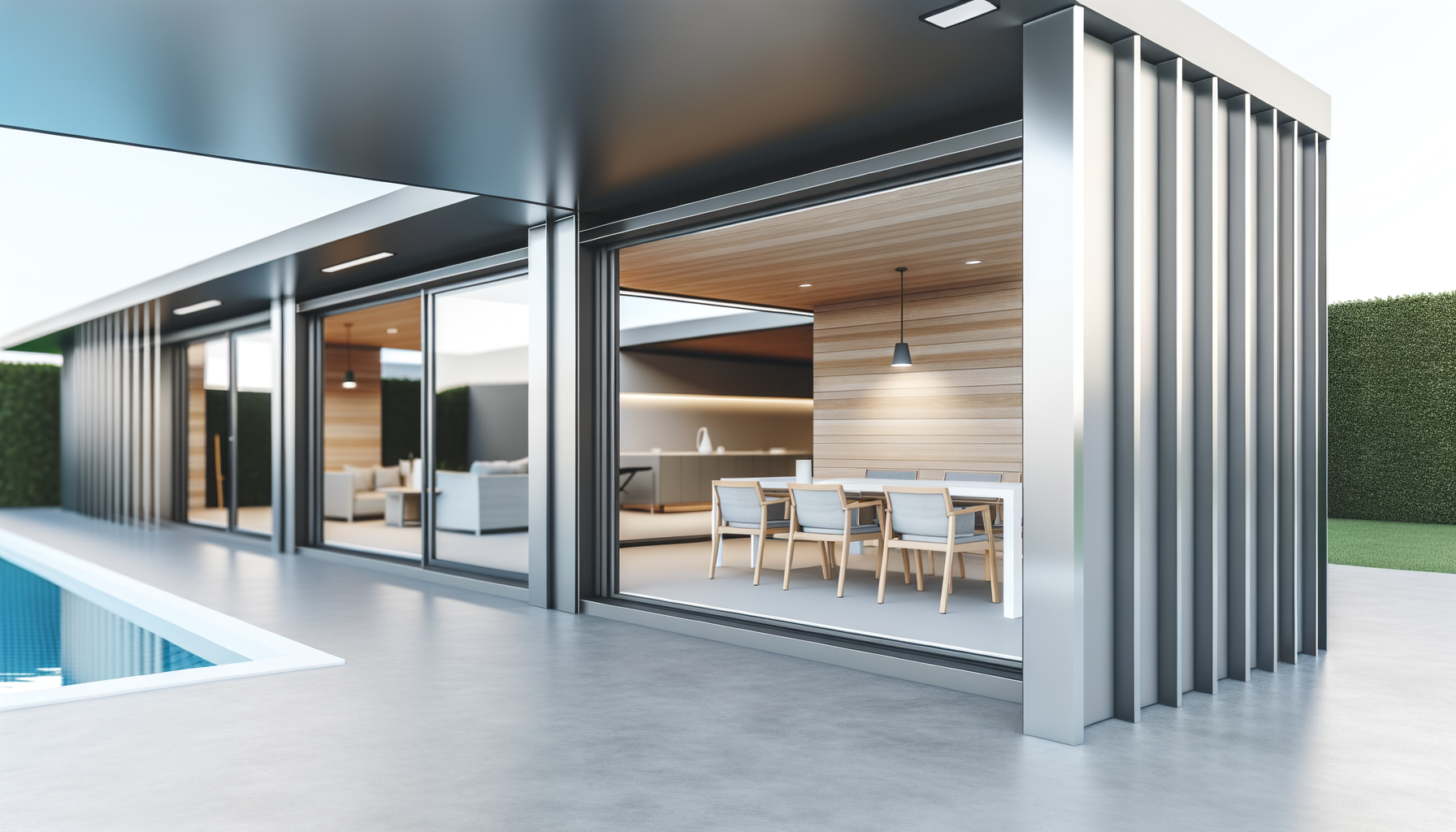
The good thing about an aluminum enclosure is that it doesn’t require a master’s degree to maintain. But if you leave it “to its own devices,” that’s when rubbing, sticking, and the classic “it used to slide better” show up. Keep it simple: once a month (or every two if you’re being realistic), wipe it down with a damp cloth using water and neutral soap. No harsh products—they’ll end up eating away at the finish. The most important part is where nobody looks: the tracks. That’s where dirt and grit build up; a vacuum or a small brush will sort it out in five minutes, and the panels will glide again without a fight. If you have casement openings, check the hinges and latches: one drop of a suitable lubricant (silicone or Teflon—better than sticky oils) and you’re done. Do you see water coming in at a corner or feel drafts? Don’t wait for it to “go away”: it’s usually a dried-out gasket or a seal that’s opened up, and fixing it early is cheap. In short: short, consistent maintenance, and your enclosure stays like day one—no creaks, no surprises.

Need professional advice?

Our team of experts is ready to help you with your aluminum carpentry project.