Recycled Aluminum Windows in Zaragoza: 2025
Discover the 2024–2025 updates in aluminum windows with recycled content: lower-footprint profiles, certifications, and…
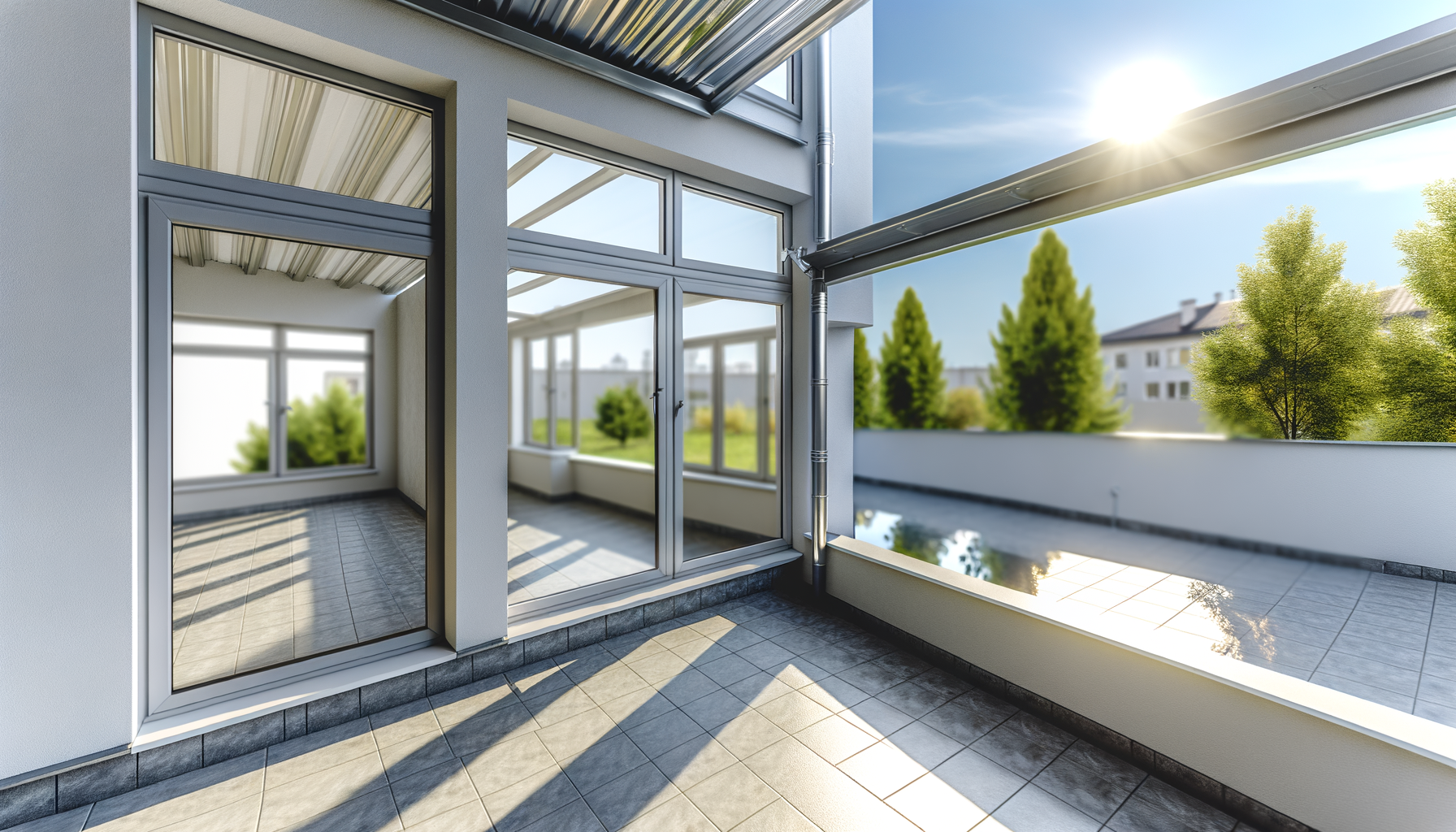
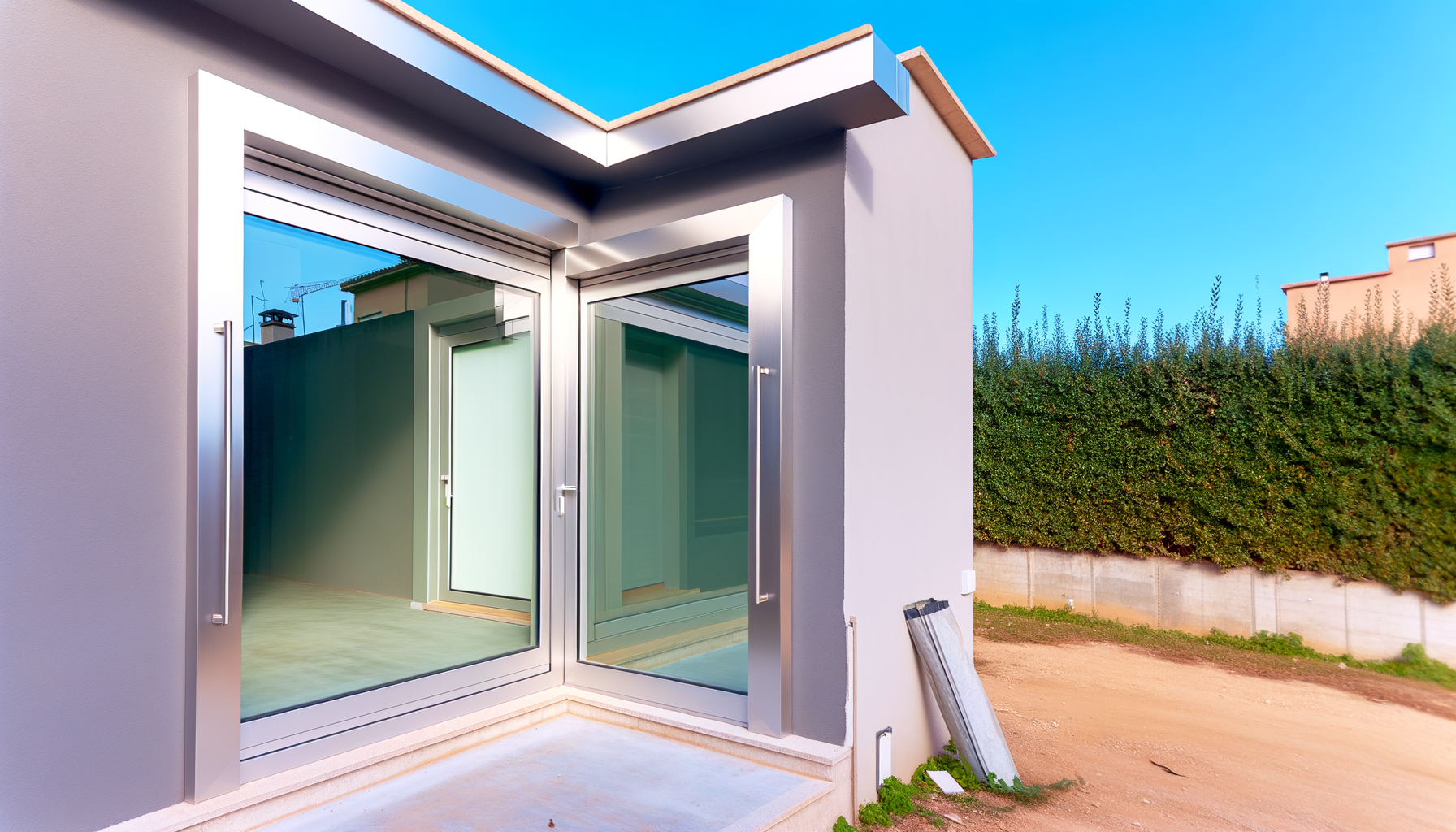
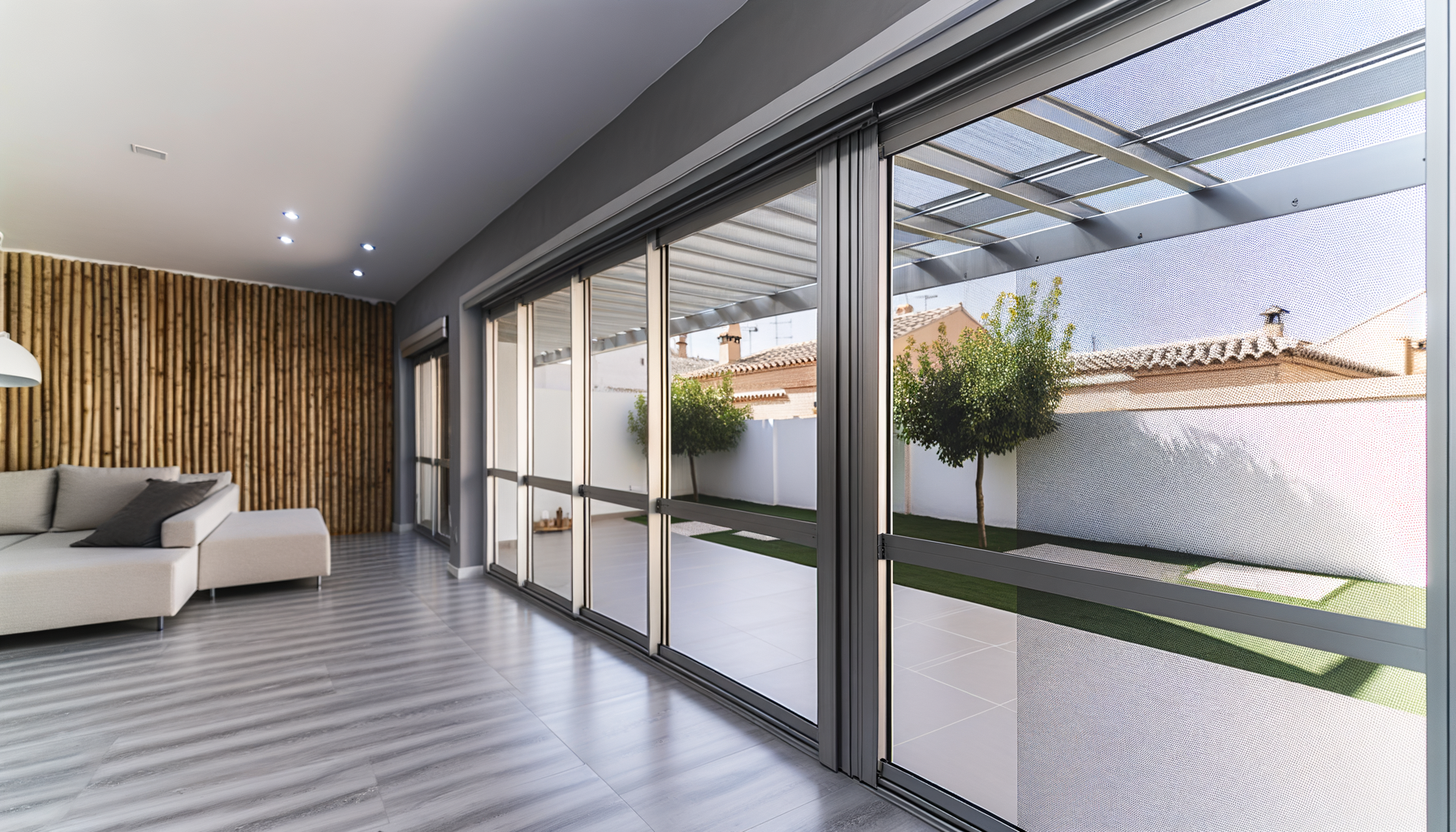
If you live in Madrid, you already know the combo: winters with the heating cranked up, summers with the blinds down and the air conditioning battling, and streets where noise sneaks in even if you shut everything. In 2025, that’s why there’s so much talk about aluminum windows with advanced thermal break: it’s not a fad, it’s a practical response to bills and comfort. The difference versus a “basic” thermal break is that the thermal break is better engineered (more stable and with less thermal bridging), and you notice it in very specific ways: less of that “cold wall” feeling next to the window, fewer weird drafts, and less condensation on mornings with sudden temperature swings.
A real example: apartments in Carabanchel or Tetuán with old windows (aluminum without a thermal break or flimsy sliding ones). Switch to casement/tilt-and-turn with advanced thermal break and good glazing, and suddenly the living room stops being that place where you grab a blanket “just because.” And the noise thing… if it changes your life to sleep without hearing the motorbike at 2 a.m., you get it fast. The trick here isn’t “the brand,” it’s the whole system: profile, hardware, glazing, and an installation that doesn’t leave gaps.
Ill make it easy: when you ask for a quote, dont stop at aluminum with thermal break. Ask what profile series it is, what thickness it supports and, above all, what glass theyre fitting. In Madrid, a well-balanced combo often wins: double glazing with low-E coating and gas, and in noisy areas an acoustic laminated pane. Thats where the magic happens: proper perimeter sealing and decent hardware do more for insulation than the profiles name. Have you seen those windows that close but it still feels like air is coming in? Its usually adjustment or airtightness, not the aluminum.
Typical situation: an old sliding window in a bedroom facing the street. Switch to a casement/tilt-and-turn and youll already notice the jump, but if you also match the glazing to your actual problem (noise vs. cold vs. heat), then the change is real. And be careful with I want the cheapest: thats when the surprises arrivecondensation along the edge of the glass, or that whistling when its windy. If the installer doesnt talk to you about a subframe, expanding tapes, or how theyre going to finish the opening, thats a bad sign. The installation is half the resultno drama.
There are three scenarios where advanced thermal break (TBT) makes a huge difference in Madrid. First: penthouses and top floors, where the sun hits hard and the difference between having your home feel like an “oven” or “livable” comes down to controlling heat gains and leaks. Second: old buildings with a traditional shutter box; if you don’t deal with it, you’re stuck with a thermal hole even if the window itself is excellent. And third: homes near high-traffic routes (the M-30, major avenues), where what you want is real sound insulation, not promises.
Quick example: an apartment in Vallecas with a west-facing orientation. You replace the windows and, if you also install solar-control glass and a good TBT, the air conditioning stops running “in survival mode” at 6 p.m. Another: Chamberí, on a street with buses. With laminated acoustic glass and a multipoint lock, the change is “now I can talk on the phone without raising my voice.” And if you’re renovating in 2025, think long-term: a well-chosen window will be with you for years, but only if the installer measures properly, levels, seals, and leaves the frame without thermal bridges. The key is to match the window to your specific problem, not buy “the most top-tier” one just because.
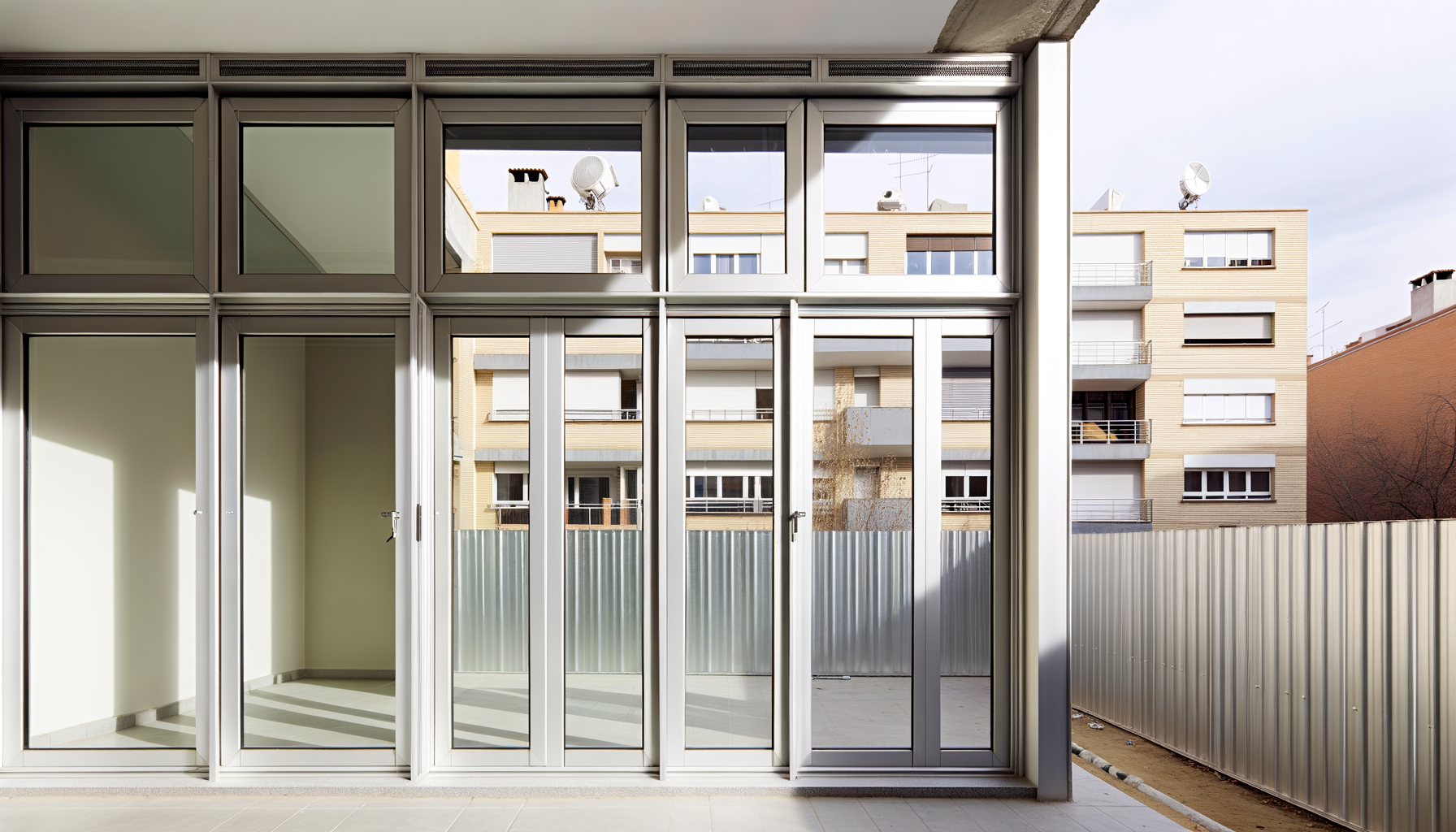
Our team of experts is ready to help you with your aluminum carpentry project.